

How we work
At Access Ventures, we believe our impact will reach only as far as the stories we tell.
We view storytelling as a critical amplifier of our work and the work of our partners, without which we cannot realize our mission.
Explore some of these stories below, and let us know what you think.
-
We view storytelling as a powerful way to spark change, exchange ideas, and build empathy. We are currently producing two podcasts that serve as a critical amplifier of our work and the work of our partners.
-
Signup for our monthly newsletter to stay up-to-date with the latest news.
-
We continually share learnings and best practices that advance our collective mission of human flourishing.

Meet the 2026 AV Fellowship Cohort
Six new fellows have joined the AV Fellowship for 2026. They kicked off together in San Diego this week and are now starting a 10-month journey that runs through May 2027. The fellowship supports bold leaders working to foster human flourishing. Each fellow gets a $20,000 unrestricted stipend, mentorship, and three in-person gatherings to build community and move their projects forward.
Here is the 2026 cohort, and what each of them is building.

Economic Agency and a Regional Blended Finance Strategy
Economic agency is shaped by systems.
It is shaped by who can access capital, who can take risk without losing stability, and who can participate in ownership. And because agency is shaped by systems, it is also shaped by place.
At Access Ventures, we believe a flourishing regional economy requires more than isolated investment. It requires intentional alignment through blended finance. Because we do not flourish alone.

The Culture Is Upstream from Politics
Two hundred and twenty-five years ago, a small community in south London decided the brokenness of their city was theirs to carry. AV Senior Fellow Dr. Steve Garber spent a night and a day where they lived, and it sent him back to a question we keep returning to: what does it take to build a society where people actually flourish, and who is responsible for the parts that are breaking? A reflection on story, vocation, and the culture that runs upstream from politics.

Alternative Funding For Startups
Capital is not neutral. It is formative.
Every dollar we deploy touches someone, whether an employee, a neighborhood, or a family's ability to build a life. So the question we ask at Access Ventures is not only who has capital, but whether the systems that move it actually cultivate human flourishing: the ability of every person to live a good, meaningful, and connected life. Funding is one of those systems. And right now, it is drifting away from the people who most need it to work.

Finding Her Own Way
Most people don't think about what it costs to go somewhere new. For Priya, it's something closer to a calculation. And underneath the calculation is a question most people never have to ask.
Not just how do I get there…but what will it feel like when I arrive?
Because arriving doesn't always mean belonging.

Community Development Collaboration: Building Systems for Better Access
At Access Ventures, we've spent years learning that the framing matters as much as the funding.
Traditional problem-solving locks teams into a scarcity mindset that focuses on what's wrong, what's broken, and what's missing. But designing for change requires the opposite: an abundance mentality that assumes opportunity and builds from strength.
We call this appreciative inquiry and shifting the question from what's wrong to what's strong.
Are Credit Scores Exclusionary?
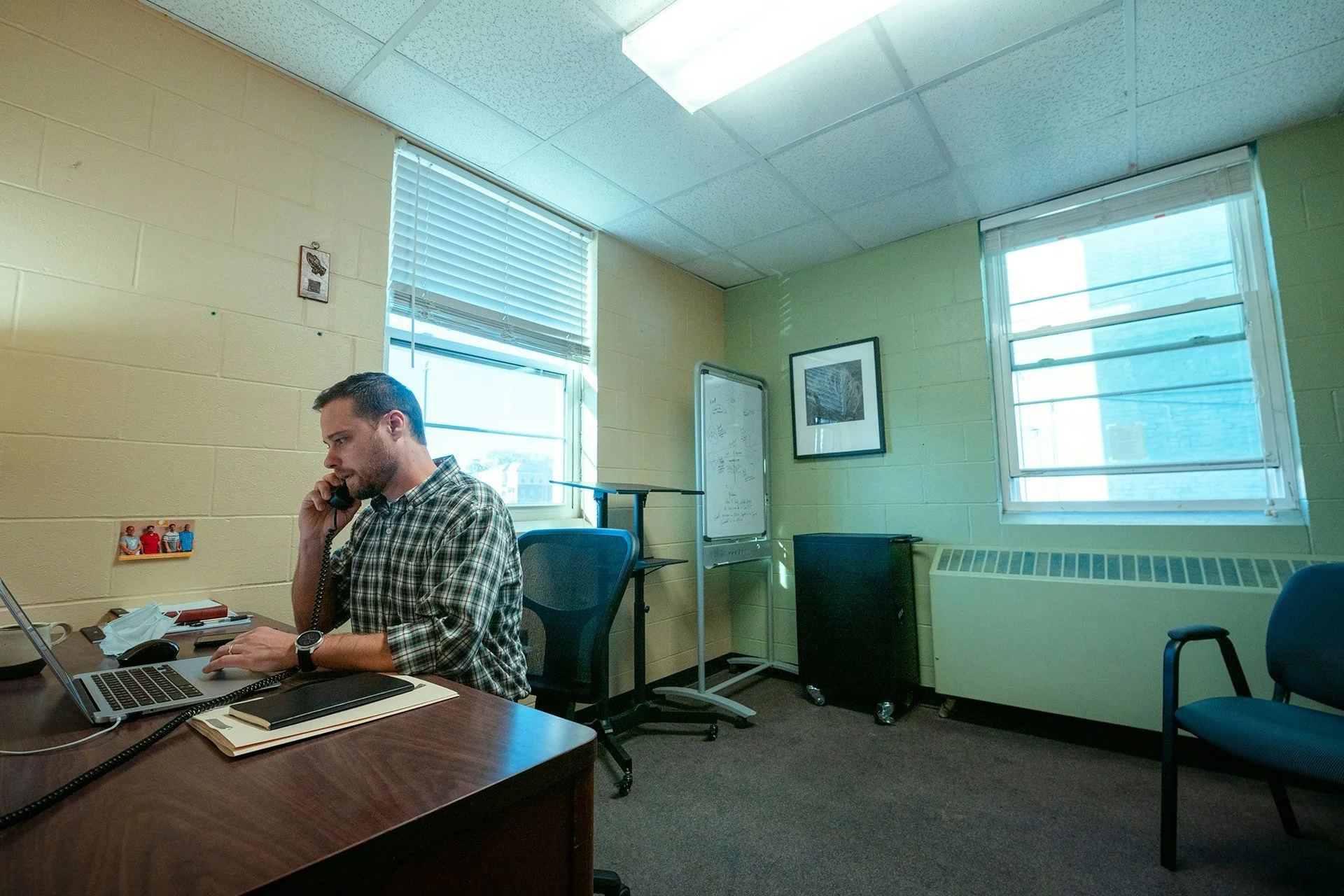
When Maria moved to Louisville after a divorce, she had a steady job, paid her rent on time, and budgeted carefully. But when she applied for a small loan to purchase a used car, she was denied.
The reason? Her credit score.

Economic Agency and the Formation of Entrepreneurs
Behind every new venture is infrastructure — access to capital, mentors, customers, legal systems, stable housing, reliable institutions. Behind every risk taken is some measure of security. Behind every success is a network.
At Access Ventures, we believe economic agency is not simply the freedom to start a business. It is the presence of systems that allow entrepreneurs to build with stability, dignity, and long-term opportunity.

Economic Agency and the Design of Capital for Human Flourishing
Economic systems are not neutral.
They shape who has access to opportunity, who builds wealth, who participates in ownership, and who remains on the margins. Over time, these structures influence not only financial outcomes, but dignity, stability, and the capacity to contribute.
At Access Ventures, we believe the deeper question is not simply who has capital — but whether our economic systems cultivate human flourishing.

Rethinking What a Blockchain Base Layer Needs to Power the Future of Finance
Every robust economy rests on a kind of invisible architecture a financial system that doesn’t just sit in the background but makes economic life possible. It moves money, manages risk, and connects opportunity with capital. We interact with it every day through things like mortgages, payrolls, and peer-to-peer payments, rarely pausing to consider the elegant network of trust, stability, and efficiency beneath the surface.

Why a Digital Financial System Matters in 2026
Access Ventures exists to create the conditions for human flourishing and we believe modern financial infrastructure is a foundational part of that work. A digital financial system powered by decentralized technologies like blockchain and composable financial services isn’t just a technical upgrade. It’s a structural shift in who gets to participate and how.
Now Streaming: Fracture to Flourish Season 2 — Foster Care’s Design, and the Trafficking Pipeline It Enables
This season investigates the foster care–to–trafficking pipeline: how instability, isolation, and fragmented accountability create the perfect conditions for grooming, exploitation, and trafficking.
The Humanity Of Homelessness: Seeing People, Not Problems
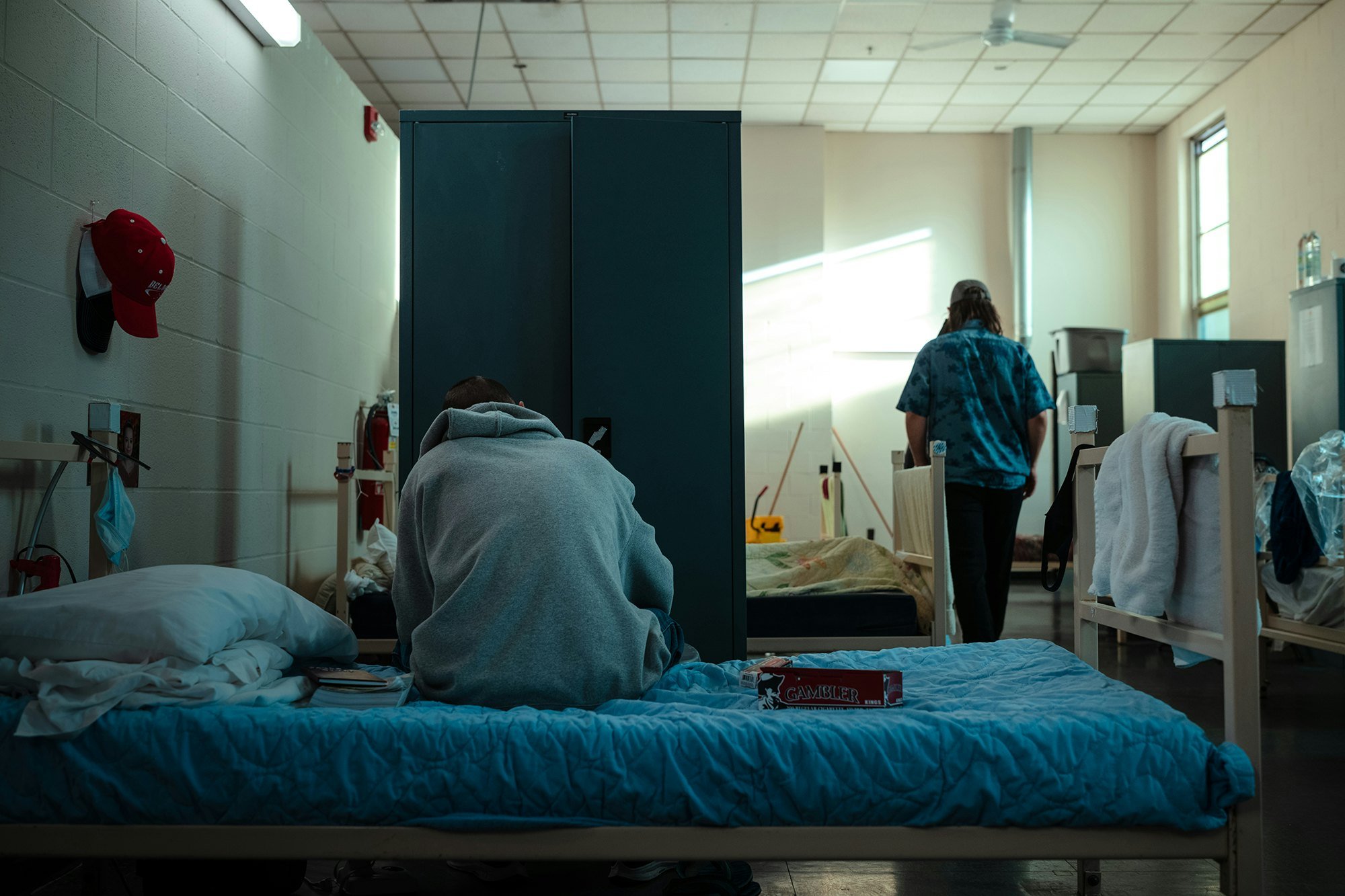
Homelessness is too often reduced to statistics, symptoms, or stereotypes. But behind every number is a person, perhaps a neighbor, a parent or a child whose dignity cannot be measured in data alone. At Access Ventures, we believe that homelessness is not simply about the absence of housing. It is about the absence of belonging, opportunity, and security. When people are unseen and unsupported, they cannot flourish.

Can Blockchain Technology Be the Solution to Economic Exclusion?
Economic exclusion remains a global challenge when centralized institutions determine who may or may not participate in the economy. While many initiatives aim to broaden access, most still depend on centralized gatekeepers, leaving billions of people under‑banked or un‑banked. By contrast, blockchain offers a re‑defined model of trust, one that can shift power and access by reducing reliance on opaque intermediaries.
The Role of Trusted Third Parties in a Decentralizing World
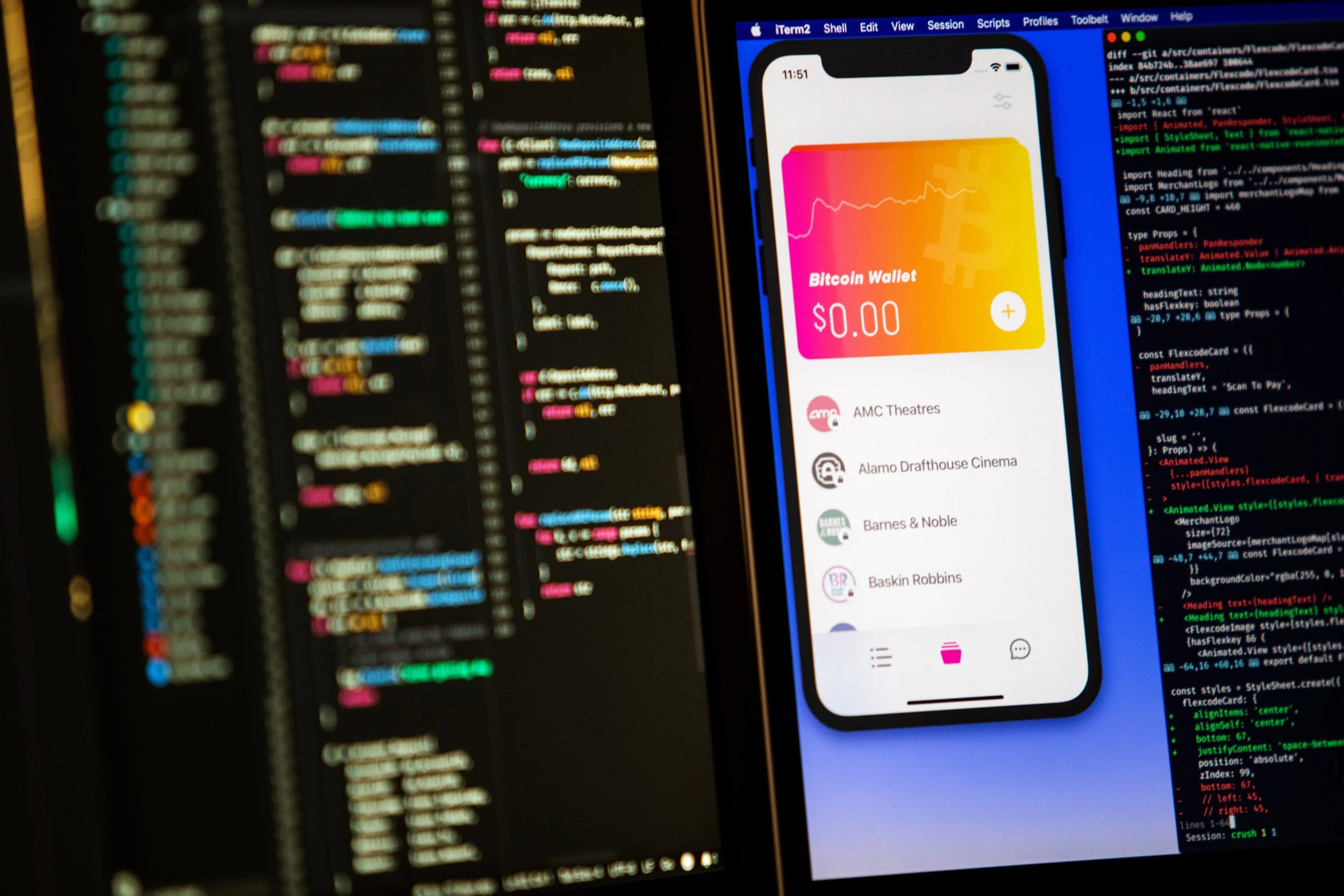
As blockchain and decentralized technologies gain traction, we face a profound question: Do we still need trusted third parties? At Access Ventures, our updated blockchain thesis sees trust not as something automatically removed by decentralization, but as something that can be redefined, that is made more transparent, more accountable, and more embedded in community systems rather than concentrated in institutions.

It's Expensive To Be Poor: Housing
When Jasmine and her two kids had to move out of their apartment after the building was sold, she faced an impossible choice. She didn’t have $1,200 saved for the deposit and first month’s rent on a new unit. Without it, she bounced between weekly motels, paying nearly three times more each month than she would have spent on stable housing. The lack of upfront cash kept her locked in instability, draining her resources faster than she could save.

It’s Expensive to Be Poor — And It Doesn’t Have to Be
When Maria’s car broke down on her way to work, she didn’t have the $400 on hand to cover the repairs. With no savings buffer, she turned to a payday loan with an interest rate of more than 300%. Weeks later, a high utility bill arrived. She couldn’t pay it all at once and her electricity was disconnected. To keep her kids warm, she bought space heaters and groceries from convenience stores at double the price of a supermarket. By the time she dug out of the debt cycle, she had spent nearly twice what someone with more resources would have paid for the same needs.
It’s Expensive To Be Poor: Workforce
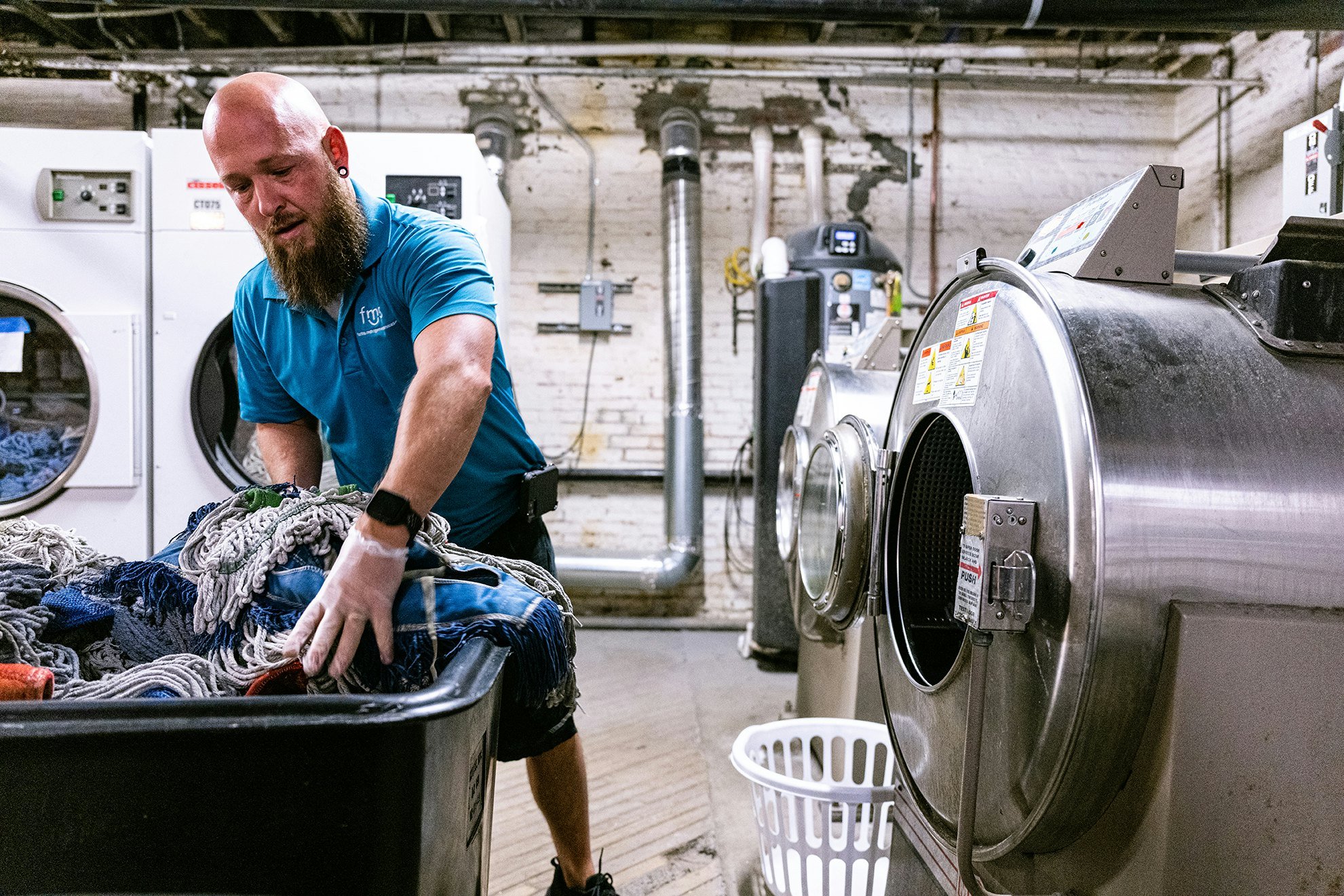
When Leticia’s son got sick, she had to miss a shift at her part-time job. Unlike salaried workers with benefits, she didn’t have paid time off. Missing one day meant losing wages she needed for rent. When she missed two days, her manager cut her hours. Within weeks, she was forced to choose between paying utilities or buying groceries. What started as caring for her child turned into a spiral of instability.
It’s Expensive To Be Poor: Transportation
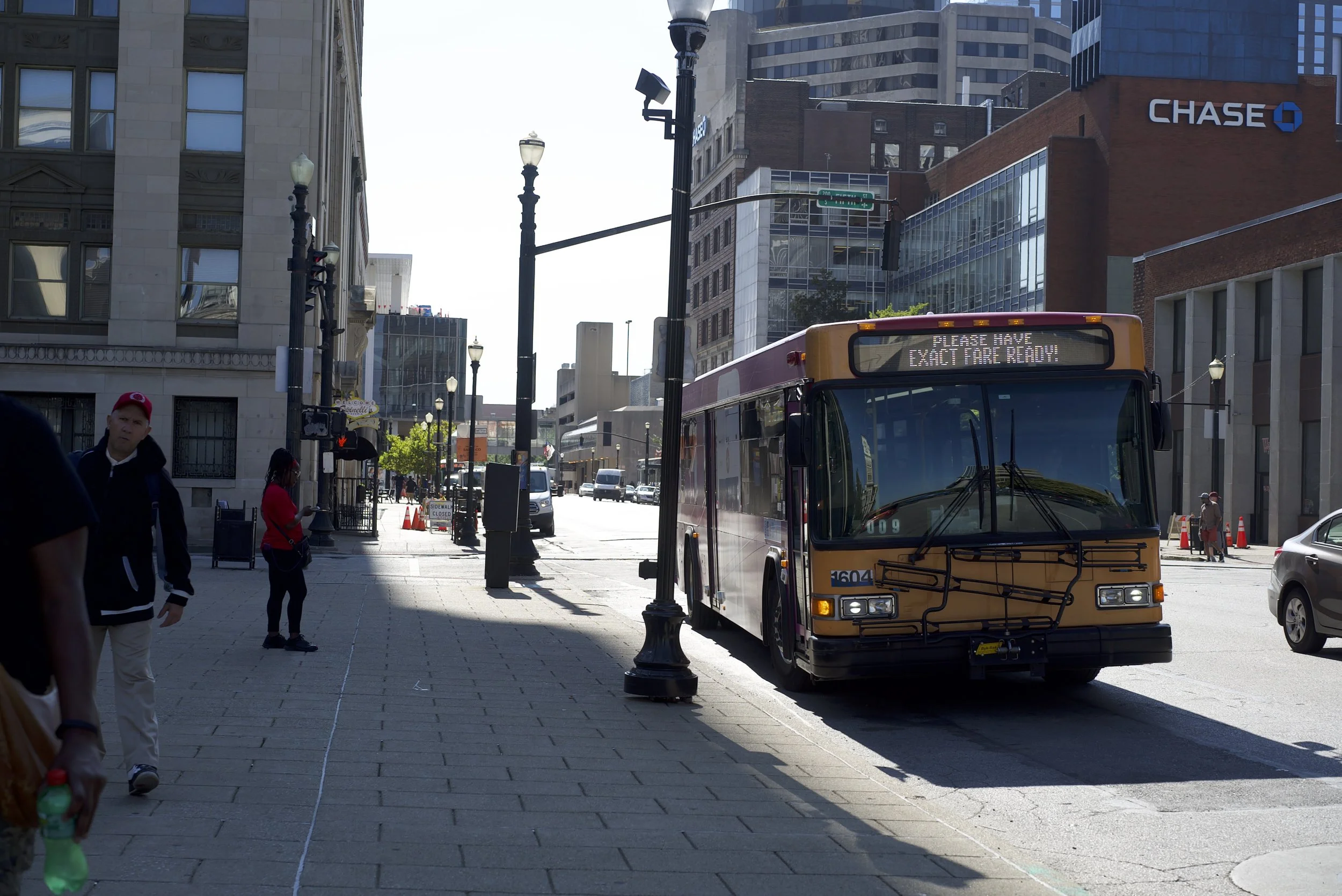
When DeShawn’s car broke down, it wasn’t just an inconvenience - it was a crisis. Without a reliable way to get to his warehouse job across town, he missed shifts, lost wages, and eventually lost his position altogether. The bus line didn’t run close to his home, and ride-shares were too expensive to use every day. What could have been a $500 car repair spiraled into lost income, overdue bills, and months of instability.
Reimagining Risk For The 21st Century
For as long as people have organized economies, we have tried to understand and manage risk. From Babylonian merchants insuring caravans against theft to 18th-century ship captains pooling resources against storm losses, risk has always been about uncertainty. Over time, it evolved into formal systems: collateral, credit scores, and portfolio theory.
But in the 21st century, we face a deeper question: what if our definition of risk itself is too narrow?