

It’s Expensive To Be Poor: Transportation
When DeShawn’s car broke down, it wasn’t just an inconvenience - it was a crisis. Without a reliable way to get to his warehouse job across town, he missed shifts, lost wages, and eventually lost his position altogether. The bus line didn’t run close to his home, and ride-shares were too expensive to use every day. What could have been a $500 car repair spiraled into lost income, overdue bills, and months of instability.
For families like DeShawn’s, transportation isn’t simply about mobility - it’s about access to dignity, opportunity, and stability. And too often, those with the fewest resources pay the highest price.
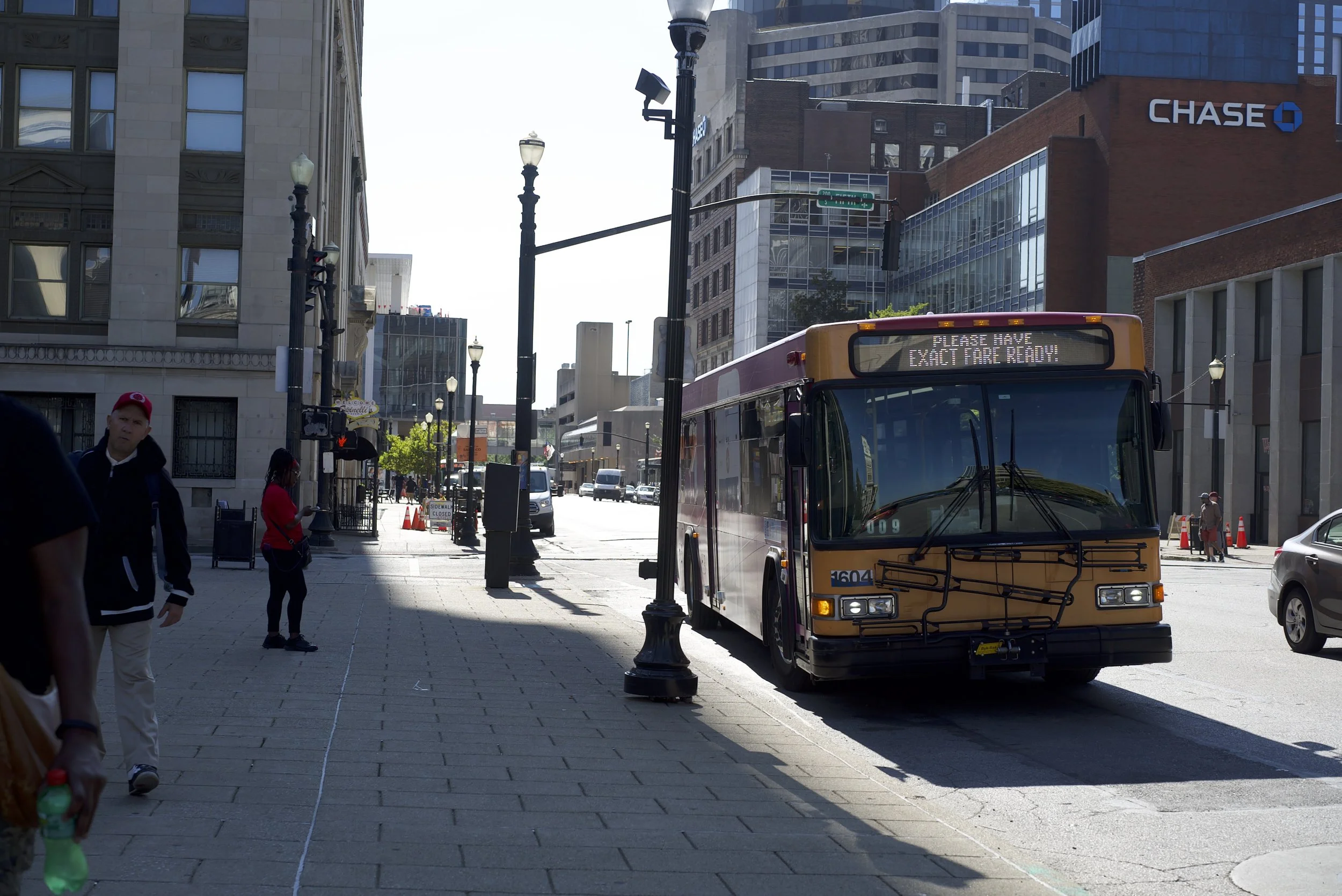
When Transportation Becomes a Poverty Trap
Time costs → A 20-minute car commute can easily stretch into an hour or more on the bus, costing extra in childcare and limiting job opportunities.
Geography costs → Housing near reliable transit is often priced higher, forcing low-income families to choose between long commutes or higher rent.
Payment costs → A monthly bus pass might save hundreds over time—but if you can’t afford $50 upfront, you’re stuck paying per ride. Over the course of a year, that can mean spending $700 more than someone who could pay in advance .
Why This Matters
Transportation isn’t just about getting somewhere. It’s about:
Employment → Unreliable transportation is one of the top reasons low-wage workers lose jobs.
Community life → Longer, unpredictable commutes keep people from participating in civic, school, or church life.
Health → Missed appointments, limited access to grocery stores, and isolation all contribute to worse health outcomes.
When transportation fails, it doesn’t just delay someone’s schedule—it narrows their future.
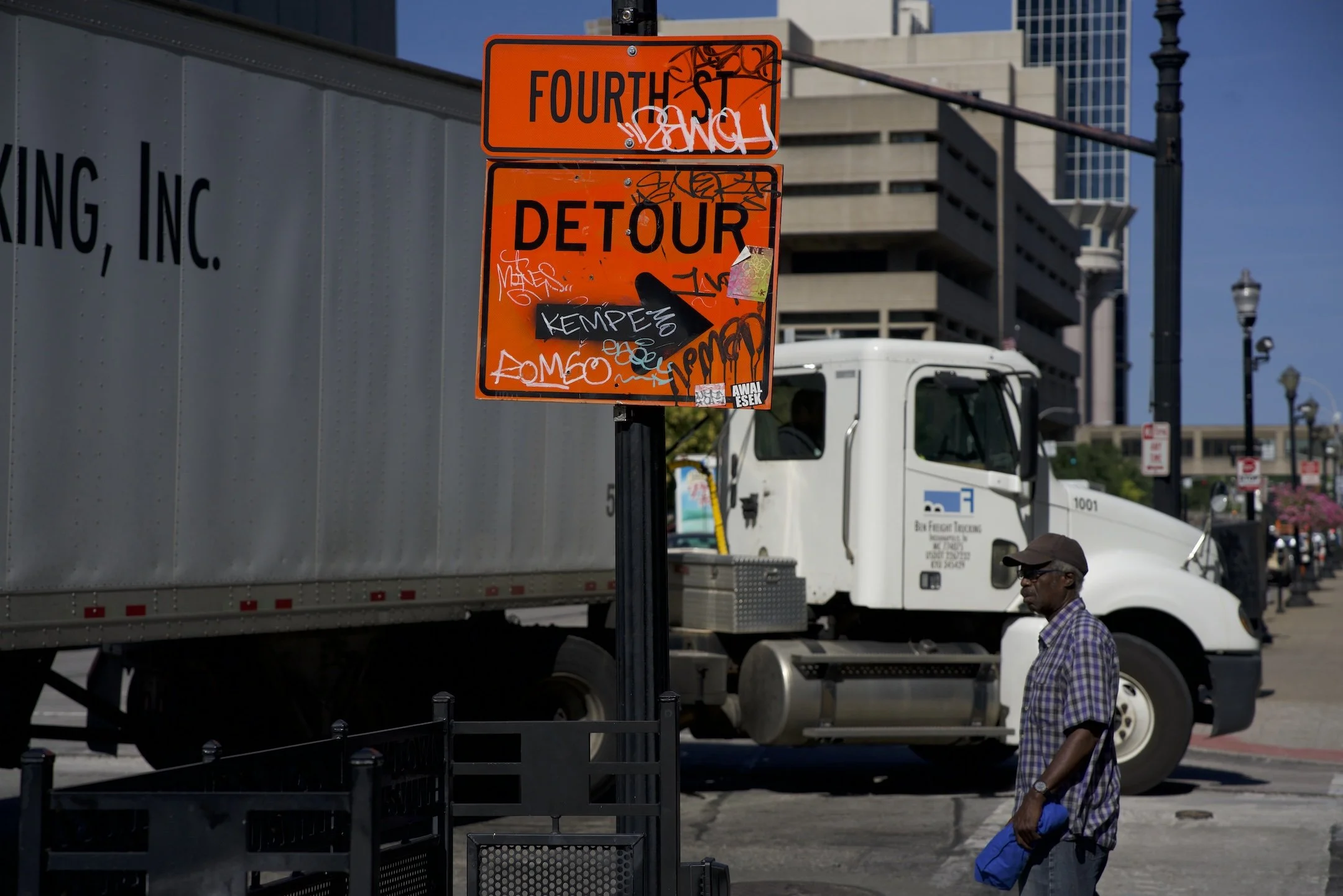
What Can Be Done
At the Systems Level
Expand equitable transit options: more frequent bus routes, affordable passes, and better connectivity between neighborhoods.
Encourage mobility wallet programs that cover multiple modes—bus, ride-share, bike-share—especially for low-income residents.
Reform housing and zoning policies to reduce the rent premium near transit hubs.
At the Personal Level
You don’t need to run a transit authority to make a difference:
Recognize privilege → Owning a reliable car or living near transit is not universal—acknowledge it as privilege.
Support workers → If you’re an employer, consider transportation stipends or flexible hours to account for transit challenges.
Advocate locally → Join transit board meetings or city council hearings to push for more equitable service.
Give consistently → Support nonprofits that provide ride vouchers, car repair assistance, or bus pass subsidies.
Share stories → Amplify the voices of those for whom transportation is the barrier between work and stability.
A Call to Action
This post is part of our ongoing “It’s Expensive to Be Poor” series, which explores how hidden costs in everyday systems—whether in housing, banking, transportation, or beyond—make it harder for families to flourish.
Keep reading:
And don’t miss our Stories of Impact and Fracture to Flourish podcast, where we share real stories of resilience that put faces to these systems.
Because transportation should connect us—not trap us. And together, we can make sure it doesn’t remain yet another way that it’s expensive to be poor.
(Originally posted April 2018, updated October 2025)
Keep Exploring
Community flourishes when capital, people, and institutions move together.
Explore more on this topic — recommended episodes, posts, portfolio companies, and resources below:
More Than Profit podcast episodes


other blog posts


resources for download



We're proud to welcome Dr. Amy Orr-Ewing, one of the most respected apologists in the English-speaking world as a Senior Fellow at Access Ventures. In her essay, she argues that the renaissance of belief now stirring in boardrooms, parliaments, and centers of tech innovation is inseparable from the work of human flourishing we care about.