

Why a Digital Financial System Matters in 2026

Transforming access, economic participation, and human flourishing
Access Ventures exists to create the conditions for human flourishing and we believe modern financial infrastructure is a foundational part of that work. A digital financial system powered by decentralized technologies like blockchain and composable financial services isn’t just a technical upgrade. It’s a structural shift in who gets to participate and how.
From Legacy Finance to Digital Financial Infrastructure
Old rails, old limits
Traditional financial systems evolved to manage risk and enable exchange, but they also created barriers:
Legacy systems are often slow, expensive, and dependent on intermediaries.
Many people and communities remain excluded or underserved due to structural constraints (identity, geography, minimum balances, credit requirements, compliance friction).
A key challenge is that much of modern “fintech” improves interfaces without changing underlying rails. The result is progress but often not transformation.
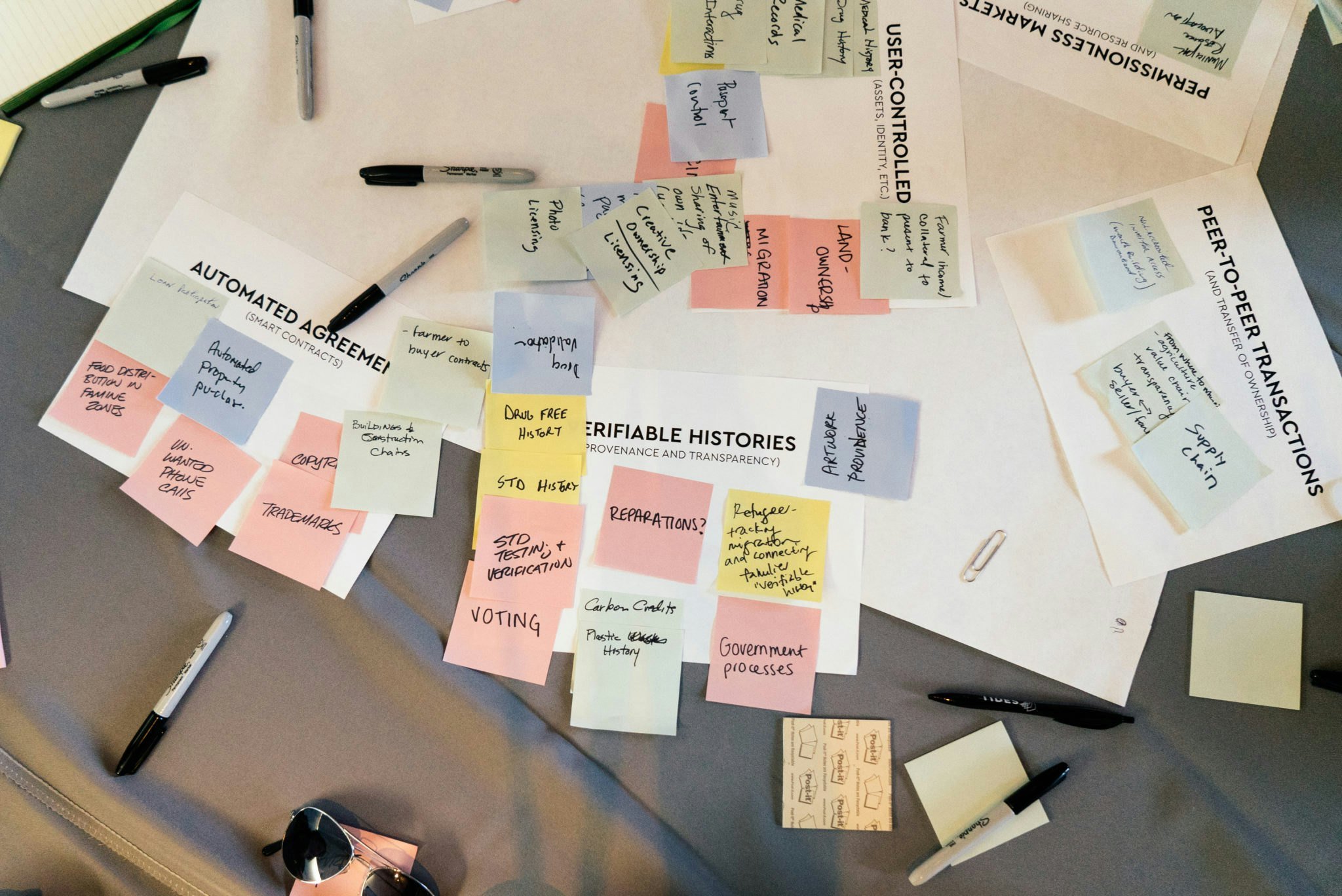
What makes a digital financial system different?
A digitally-native financial system combines protocols, networks, and composable services that can:
1. Improve efficiency and lower costs
Modern rails can reduce verification and settlement overhead, shrinking friction in payments, transfers, and reconciliation.
2. Expand access at scale
Digital systems can extend services to people historically excluded from traditional finance by lowering minimum thresholds, reducing reliance on gatekeepers, and enabling new identity and onboarding pathways.
3. Enable new economic infrastructure
This isn’t just about money movement. Programmable financial systems can enable:
New ways to save, lend, insure, and transact
New liquidity and ownership models
More transparent, auditable systems that reduce certain forms of institutional opacity
What’s changing in 2025–2026
Several developments are accelerating the shift toward digital financial systems:
Growing experimentation with tokenization and digitally-native settlement
Increased institutional exploration of stablecoins and blockchain-enabled rails
Rapid improvement in tooling, developer ecosystems, and UX patterns (even as adoption remains uneven)
This is not a straight line, and it’s not “all upside.” But the trajectory matters because infrastructure shapes outcomes.

Why this matters for human flourishing
Economic systems are never neutral but they shape the real boundaries of participation. A financial system that is more open, reliable, and accessible can help expand:
Access to tools people need to build stability and opportunity
Agency to participate in markets and decisions that shape their lives
Resilience when shocks hit households and communities
Dignity through systems that don’t require permission to participate
This is why we pay attention to financial infrastructure, because over time, infrastructure becomes the invisible architecture that defines what is possible.
Keep Exploring
Community flourishes when capital, people, and institutions move together.
Explore more on this topic — recommended episodes, posts, portfolio companies, and resources below:
More Than Profit podcast episodes



other blog posts


resources for download



We're proud to welcome Dr. Amy Orr-Ewing, one of the most respected apologists in the English-speaking world as a Senior Fellow at Access Ventures. In her essay, she argues that the renaissance of belief now stirring in boardrooms, parliaments, and centers of tech innovation is inseparable from the work of human flourishing we care about.