

Reimagining Risk For The 21st Century
(Originally posted July 2015, updated September 2025)
For as long as people have organized economies, we have tried to understand and manage risk. From Babylonian merchants insuring caravans against theft to 18th-century ship captains pooling resources against storm losses, risk has always been about uncertainty. Over time, it evolved into formal systems: collateral, credit scores, and portfolio theory.
But in the 21st century, we face a deeper question: what if our definition of risk itself is too narrow?
At Access Ventures, we believe risk is not simply financial loss. The greater risk is a society where human flourishing is impossible - where access, agency, opportunity, and security are withheld from too many.

Growth Loan Borrowers: Fresh Fry, Farm2Fork, Victory Hemp Foods (L - R)
From Risk Aversion to Risk Reimagined
Traditional finance views risk primarily through the lens of capital preservation. We propose a broader lens: human dignity and flourishing.
Old paradigm: Risk is losing money.
New paradigm: Risk is leaving talent, creativity, and communities untapped.
This shift changes the question. Instead of “what could go wrong if we invest?” we ask: “what do we lose if we don’t?”
What It Looks Like in Practice
Over the last decade, we’ve tested this reframing across our work:
Character-Based Lending. Our Growth Loan Fund piloted $1M+ in loans to entrepreneurs excluded by banks, showing that community trust can be more predictive than a credit score.
The First Dollar Initiative. In Louisville, we provided over 200 entrepreneurs with catalytic $5,000 grants - closing the privilege gap of the “friends & family” round.
Community Round Match Fund. We pioneered the nation’s first local match fund with Wefunder, catalyzing $7M+ raised by 35+ companies and bringing 2,000+ community investors into ownership.
Systemic Solutions with Reconstruct. The Reconstruct Challenge applies venture-philanthropy tools to problems like housing insecurity and re-entry, funding early-stage ideas that traditional philanthropy calls “too risky”.
Tech for Inclusion. SoLo Funds - the only Black-owned fintech B Corp - has issued $400M+ in loans to underserved communities, proving that dignity-based lending works.
Restoring Human Dignity. Our Samaritan pilot in Louisville connected people experiencing homelessness to direct community support, scaling into partnerships with Aetna KY and Humana KY in 2024.
Neighborhood Renewal. In Shelby Park, patient capital helped rehabilitate vacant homes, fund small businesses, and seed creative placemaking - without displacement.
Each of these examples shows that when we reimagine risk, we don’t just protect capital - we expand human flourishing.
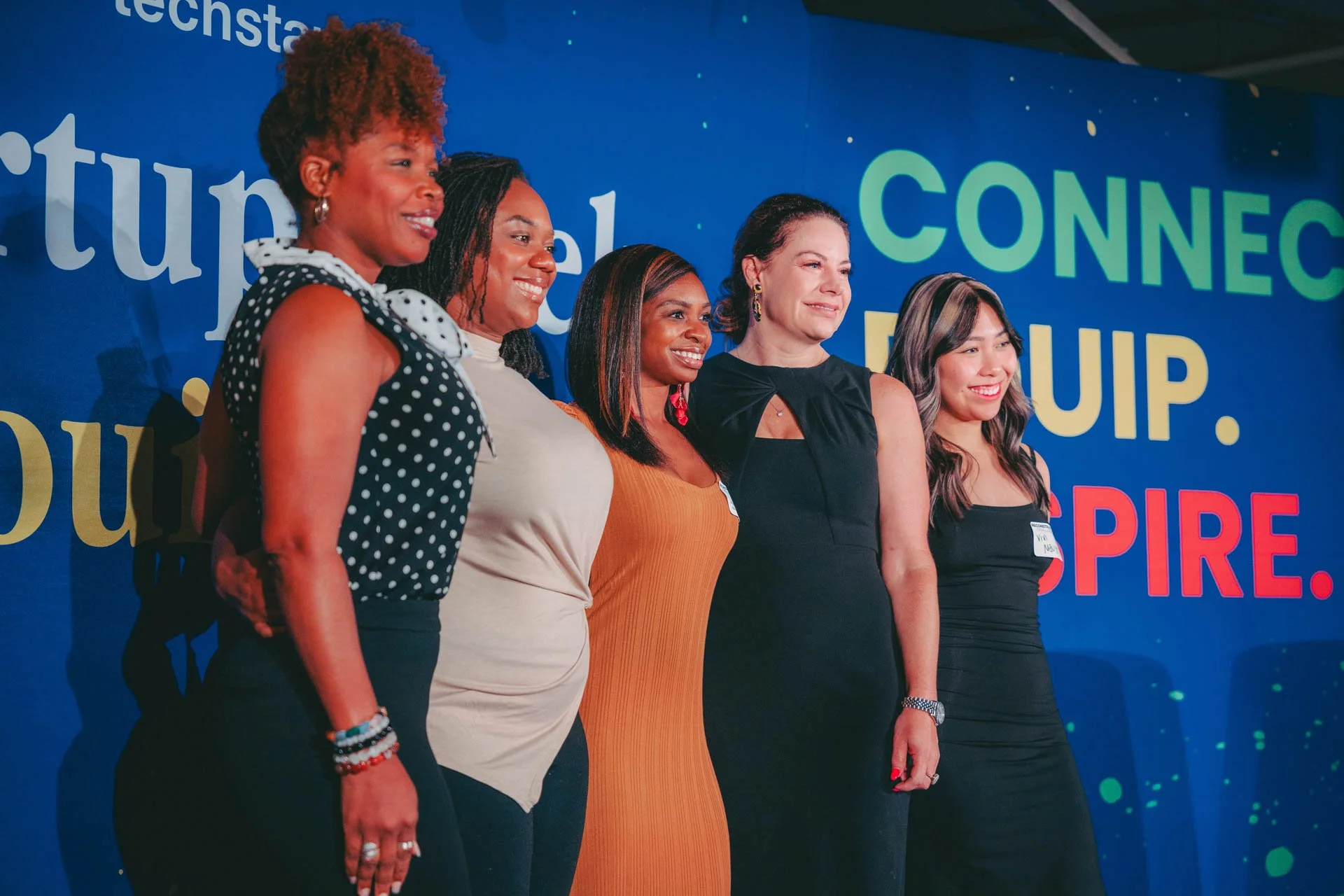
Reconstruct Challenge : Food Justice
Why This Matters Now
The global economy has always evolved around our collective appetite for risk. Today, however, systemic inequities mean that the people most capable of renewal are also those deemed “too risky.”
Our evolving thesis on human flourishing frames the challenge clearly: flourishing requires Access & Agency, Opportunity & Autonomy, and Security & Freedom. When investment frameworks ignore those principles, we end up with exclusion, stagnation, and fragility.
The call of this century is not to eliminate risk—but to aim it at the right targets. Risk is the engine of innovation, but also the currency of trust. If we want inclusive economies, we must be willing to risk on behalf of others.
Keep Exploring
Read: Growth Loan Playbook – A practical guide for launching character-based lending.
Read: Reconstruct Challenge Playbook – A reverse-pitch model for systems change.
Read: One-Pocket Whitepaper – How to align capital and values across your entire portfolio.
Listen: More Than Profit episodes on risk and flourishing:
Operationalizing Your Values with Scott Koloms – putting values into business models.
The Need for Good Jobs with Betsy Biemann – why job quality is a cornerstone of flourishing.
The Magic of Employee Ownership with Levi Smith – how ownership transforms risk into resilience.
How DeFi Can Be Used for Social Good with Mike Sall & Blake West – the future of open financial infrastructure.
The Greatest Risk
The old models taught us to fear financial loss above all. But the truth is: the greatest risk is doing nothing.
By reimagining risk through the lens of human flourishing, we can build an economy that is equitable, dynamic, and resilient - an economy where everyone has the chance to thrive.