

We Are Storied People: Why Storytelling Matters
(Originally posted December 2017, updated June 2025)
When Trenton lost his home in a fire, he didn’t just need housing—he needed hope. Through support from Volunteers of America and the Samaritan app, he found both. Neighbors rallied with encouragement and small gifts, helping him rebuild a future for his children. His story isn’t just one of survival—it’s a reminder that flourishing is always about people, not projects .
We share stories like Trenton’s because we are storied people. From the earliest days of human community, identity has been shaped by story. Stories define who we are, where we come from, and what kind of future we believe is possible. They help communities make meaning together—and without them, we risk reducing people to statistics, transactions, or outputs.
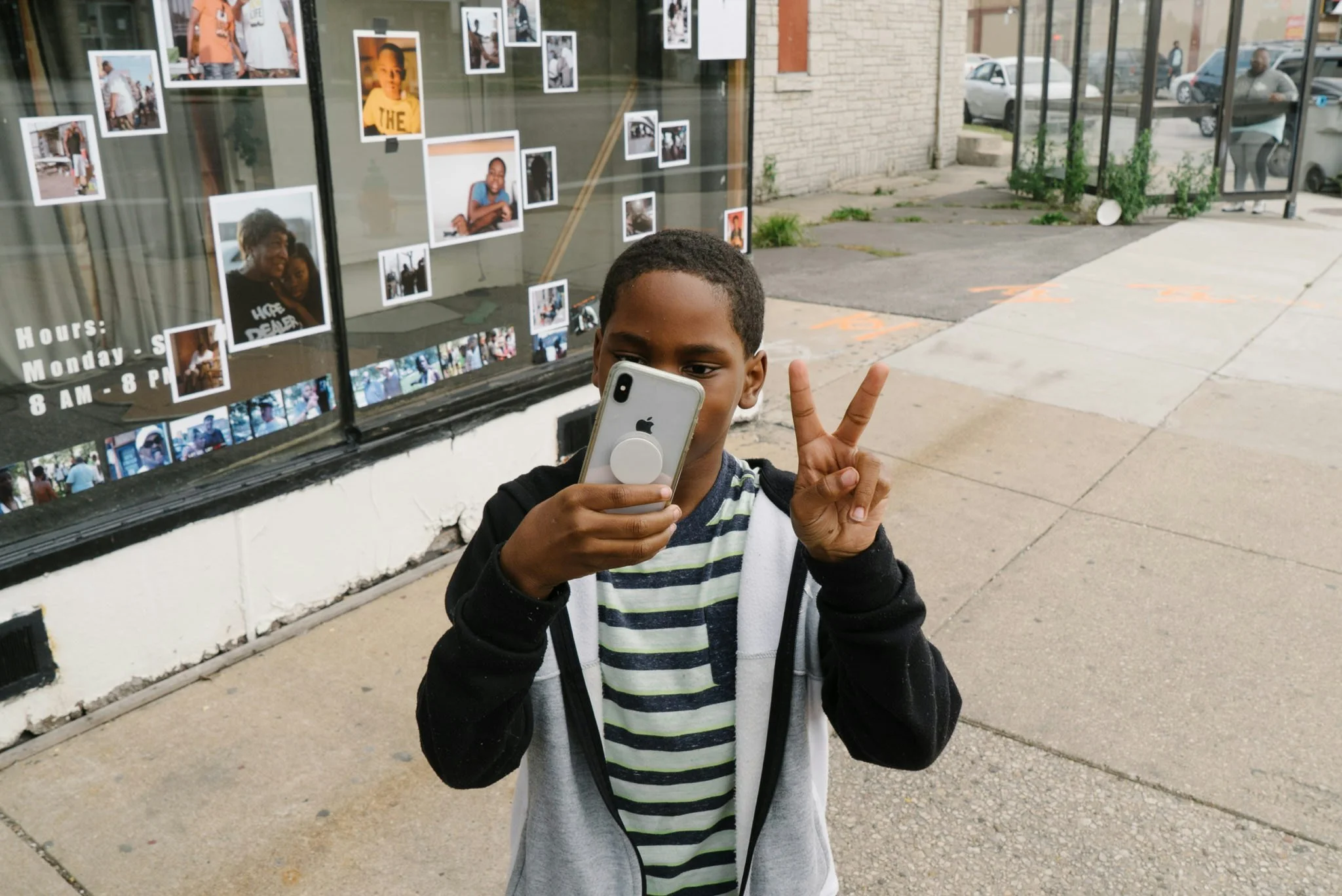
Image Credit: Dave Kasnic, VSCO Voices
Humanizing Everything We Do
At Access Ventures, we believe stories are not just nice additions to the work—they are essential. Every program, partnership, or investment we make must be humanized. If we don’t humanize it, we risk abstracting people into projects, or treating communities as case studies instead of neighbors.
Research backs this up: Stanford’s Social Innovation Review found that storytelling increases empathy and engagement in ways data alone cannot, while also making data more memorable when paired with personal narratives. And according to McKinsey, nonprofits that combine stories with quantitative evidence see 30% higher donor retention than those that rely on metrics alone.
Storytelling as Community Identity
Stories are how communities remember who they are. They help us hold onto values in seasons of change and anchor us in the belief that a better future is possible. When an entrepreneur receives their first $5,000, when a founder raises capital alongside their community, when a grantee takes a risk on an unproven solution—those moments become part of our shared civic story.
And the data behind these stories shows their weight:
First Dollar Initiative → Over 80 entrepreneurs received flexible, early-stage support. Seventy-one businesses are still operating, with 19 reporting increased revenue after their grant .
Reconstruct Challenge → In its pilot, $1M of catalytic capital unlocked additional national funding for housing innovation, proving that risk-tolerant stories attract follow-on support
Wefunder Match Fund → Since launch, Render Capital has matched 16 companies, helping them raise over $5M alongside more than 2,000 community investors .
Why Stories Matter Now
We are storied people living in a time when much of our language - especially around capital, philanthropy, or policy—risks dehumanizing those at the center. If we are to build economies where everyone can thrive, we must first humanize everything we do. And that starts with telling stories - of struggle, resilience, and flourishing - that remind us who we are and who we’re becoming together.
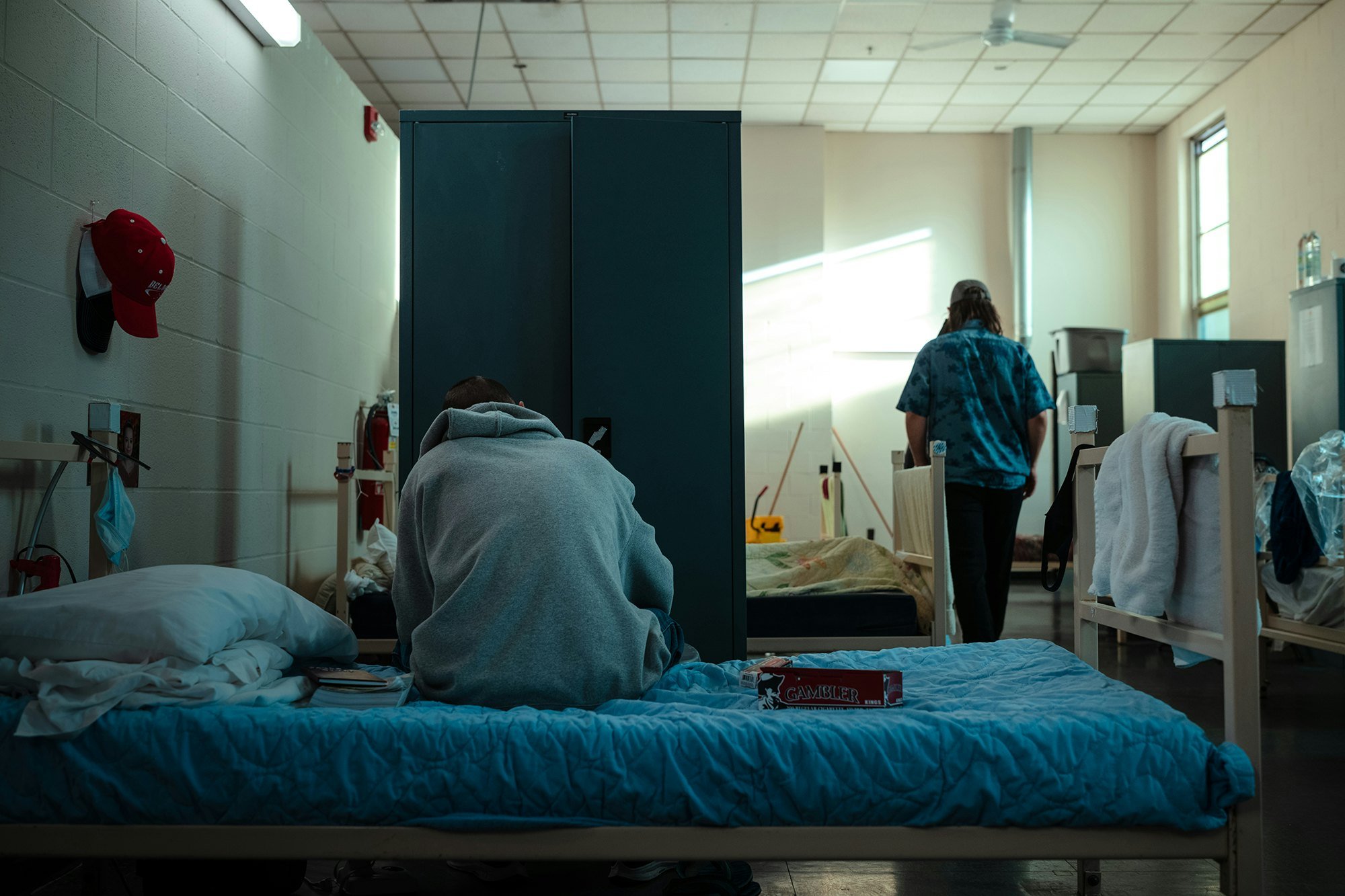
Image credit: Kertis Creative as part of our KNOW Homeless Campaign
Small Steps You Can Take
You don’t have to lead a foundation or run a nonprofit to live this out. Here are a few simple ways to make storytelling part of your own practice:
Listen First → Ask your neighbor, coworker, or community leader to share their story—and listen without rushing to respond.
Share Widely → Use your own platforms (social media, small groups, classrooms) to amplify stories of resilience you encounter.
Give Consistently → Even small recurring gifts help nonprofits write steadier, more hopeful stories for those they serve.
Volunteer Time & Skills → Your talents can help nonprofits not only operate but also tell their own stories with clarity and dignity.
Document the Ordinary → Take a photo, write a short reflection, or record a voice memo about what flourishing looks like in your neighborhood. Small stories matter.
Keep Exploring Stories
If you want to see what this looks like in practice, check out:
Ella’s story from Fracture to Flourish — a powerful glimpse of resilience from a young person aging out of foster care.
Trenton’s Story of Hope — how community support turned tragedy into flourishing.
Miss Joyce’s Story — navigating benefit cliffs with courage and creativity.
Medical Debt and Forgiveness — one woman’s journey from crisis to healing.
Because at the end of the day, we are storied people. And when we combine narrative and numbers, we don’t just measure impact—we humanize it.