

Finding Her Own Way
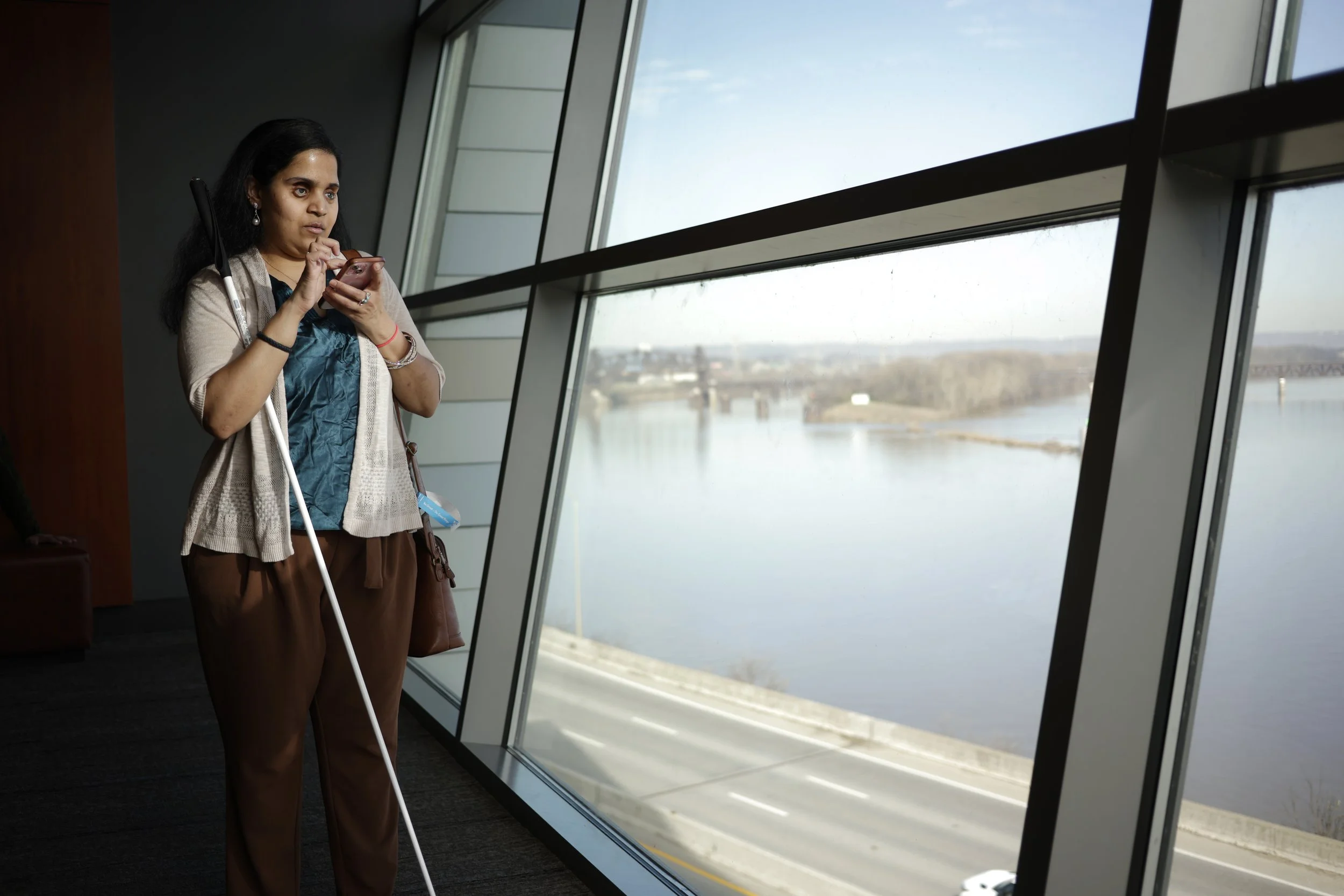
Priya doesn't just decide to go somewhere new and head out the door. She starts the day before.
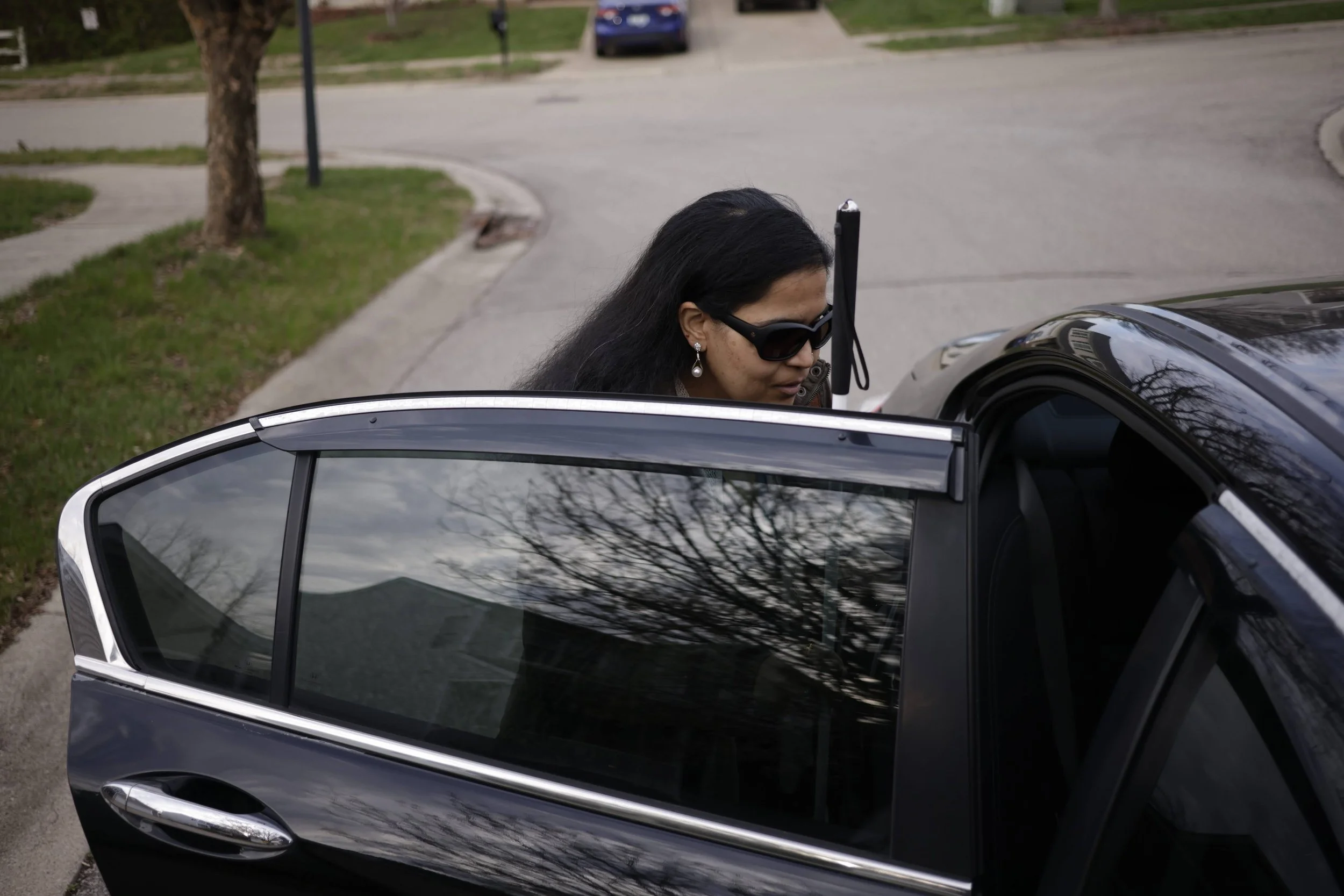
If she needs a ride, it has to be scheduled at least 24 hours in advance. So she plans ahead by confirming times, double-checking details, making sure nothing falls through. Not because she's overly cautious, but because she's learned that small gaps in a plan can turn into big barriers once she's out in the world.
"I make sure everything is confirmed so I can feel prepared and not rushed," she says.
The morning of, she gives herself extra time. There's no rushing out the door or cutting it close. She waits. Sometimes longer than she needs to. Sometimes not long enough. There's always a bit of uncertainty in that space between when the ride is supposed to come and when it actually does.
"I do experience anxiety sometimes," she says. "So I focus on my breathing… just to stay grounded."
Most people don't think about what it costs to go somewhere new. For Priya, it's something closer to a calculation. And underneath the calculation is a question most people never have to ask.
Not just how do I get there…but what will it feel like when I arrive?
Because arriving doesn't always mean belonging.
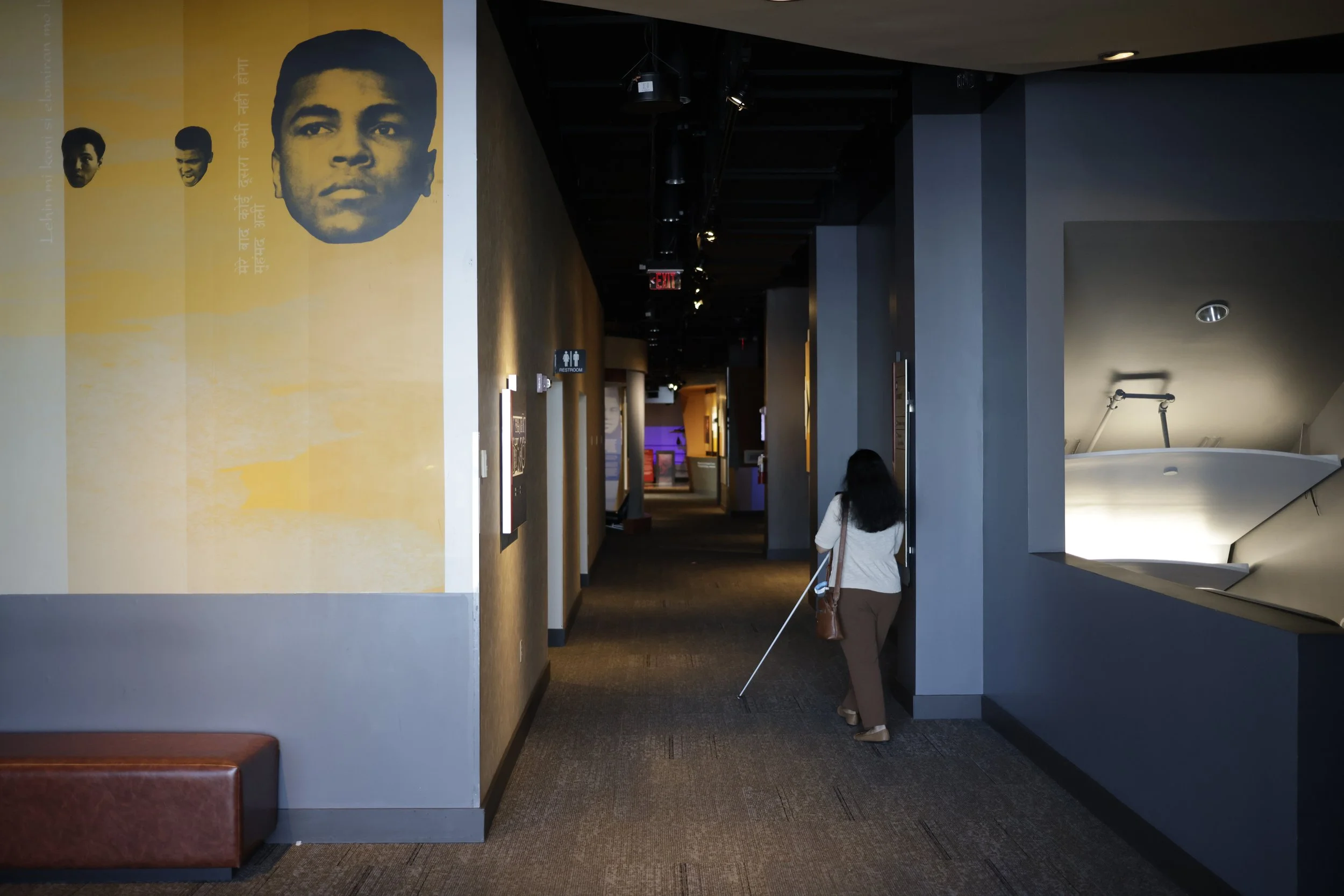
She grew up in a small town in Oklahoma, where transportation and accessibility options were limited. She now lives in Louisville and navigates the city with a confidence she worked hard to build. But unfamiliar cities are a different experience entirely. She's been to conferences where presentations were entirely visual. Temples where movement told stories she couldn't fully access. Festivals, performances, community gatherings, public libraries, and holiday parades; spaces filled with energy and people and life, but not always built with her in mind.
"In those moments," she says, "it's easy to feel invisible. Like I'm there… but not fully included."
She doesn't say it with bitterness. She says it like someone who has made peace with something that shouldn't require making peace with at all.
So she adapts. She listens closely to footsteps, voices, echoes. She follows the rhythm of a room. Sometimes she trails behind a group, letting them unknowingly guide her path. Other times she asks for help and hopes the directions she's given are right.
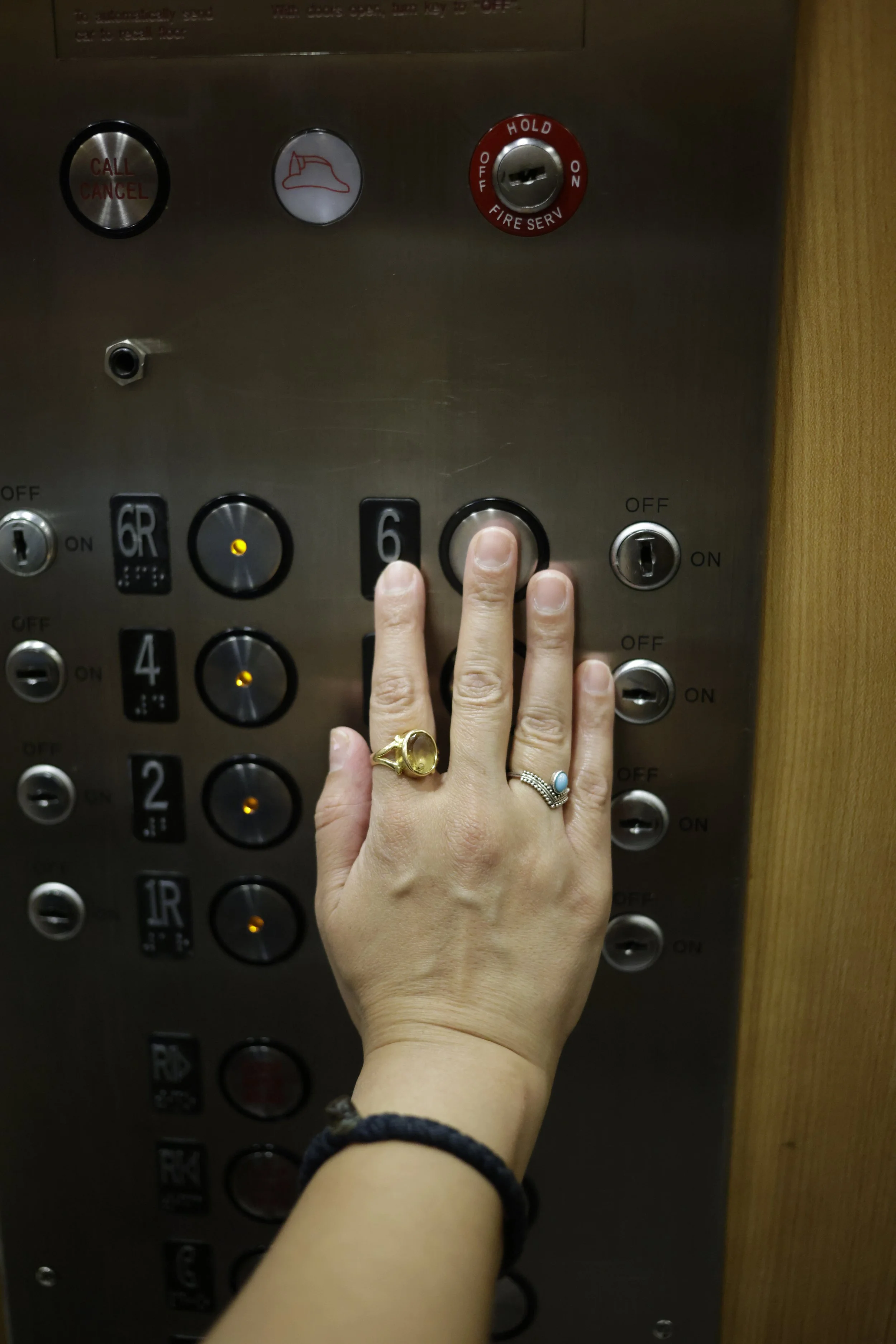
That's the part people don't always see. The quiet trust it takes to rely on strangers. The mental energy of constantly interpreting a space that was never designed for you. The vulnerability of needing to ask, again and again, in places where everyone else just knows where to go.
"Sometimes I have to ask questions and trust the answers I receive," she says. "And not everyone is accurate… or honest."
Going somewhere like the Muhammad Ali Center wasn't just about showing up. It meant depending on staff for guidance, piecing together directions, building a mental map in real time from whatever information she could gather. It worked, but only to a point. And never without friction. Never without that low hum of uncertainty that follows you through a space when you can't be sure what's coming next.
Then, one day, something shifted.
She first heard about GoodMaps at a demo in 2023. The first time she tried it, it lagged. It didn't quite work. It would have been easy to dismiss it, to file it away with all the other tools that promised something they couldn't deliver.
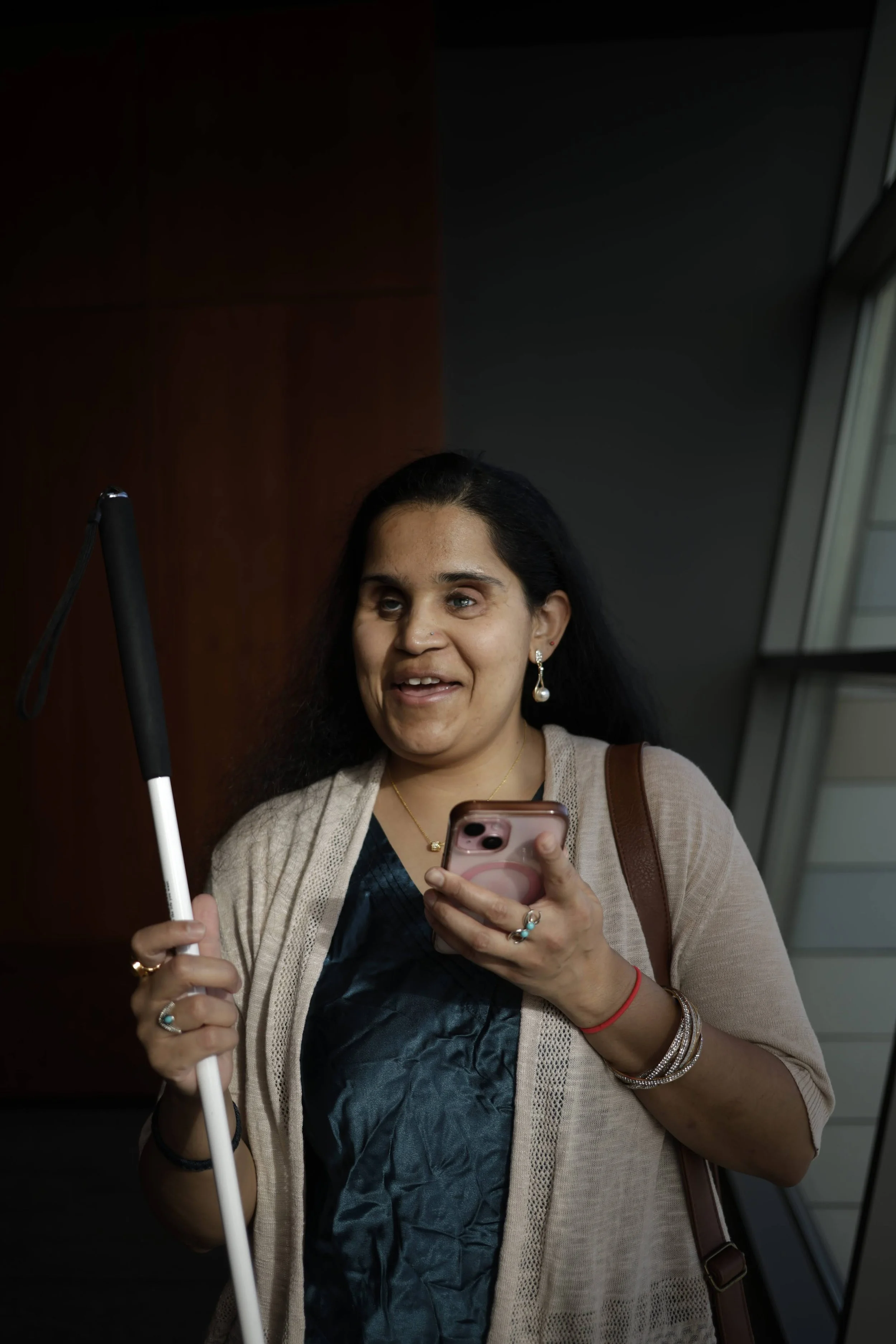
But she tried it again, this time on a different phone.
And this time, it did work.
"I was honestly surprised," she says. Then, quieter: "Amazed."
What changed wasn't just the technology. It was the feeling of moving through a space without bracing for what you don't know. Instead of guessing, she knew. Instead of relying on someone else, she could follow her own path. Step by step, guided by clear verbal directions, subtle vibrations, a system that responded to her in real time.
"GoodMaps is just like a GPS," she says. "It tells me where to go. Turn left, keep going straight. And I can feel when I'm on the right path."
Structured. Predictable. Consistent in a way that public spaces rarely are for her.
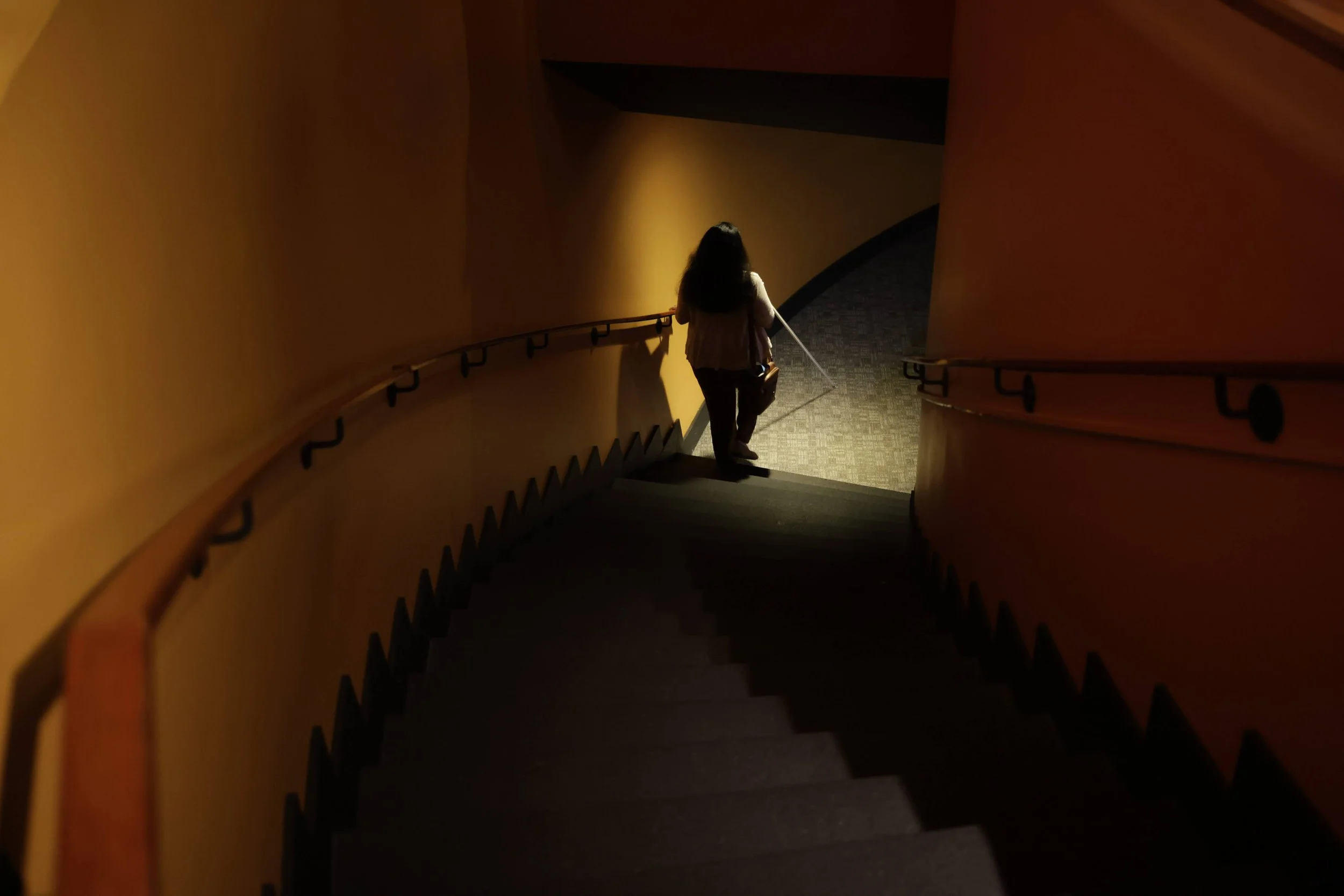
At the Muhammad Ali Center, there was a moment that stayed with her. While moving through the building, she realized the app could help her avoid stairs, the same way a driving app lets you avoid toll roads. She chose to take the stairs that day. But the point wasn't the stairs. It was the choice. The simple, quiet fact of having one.
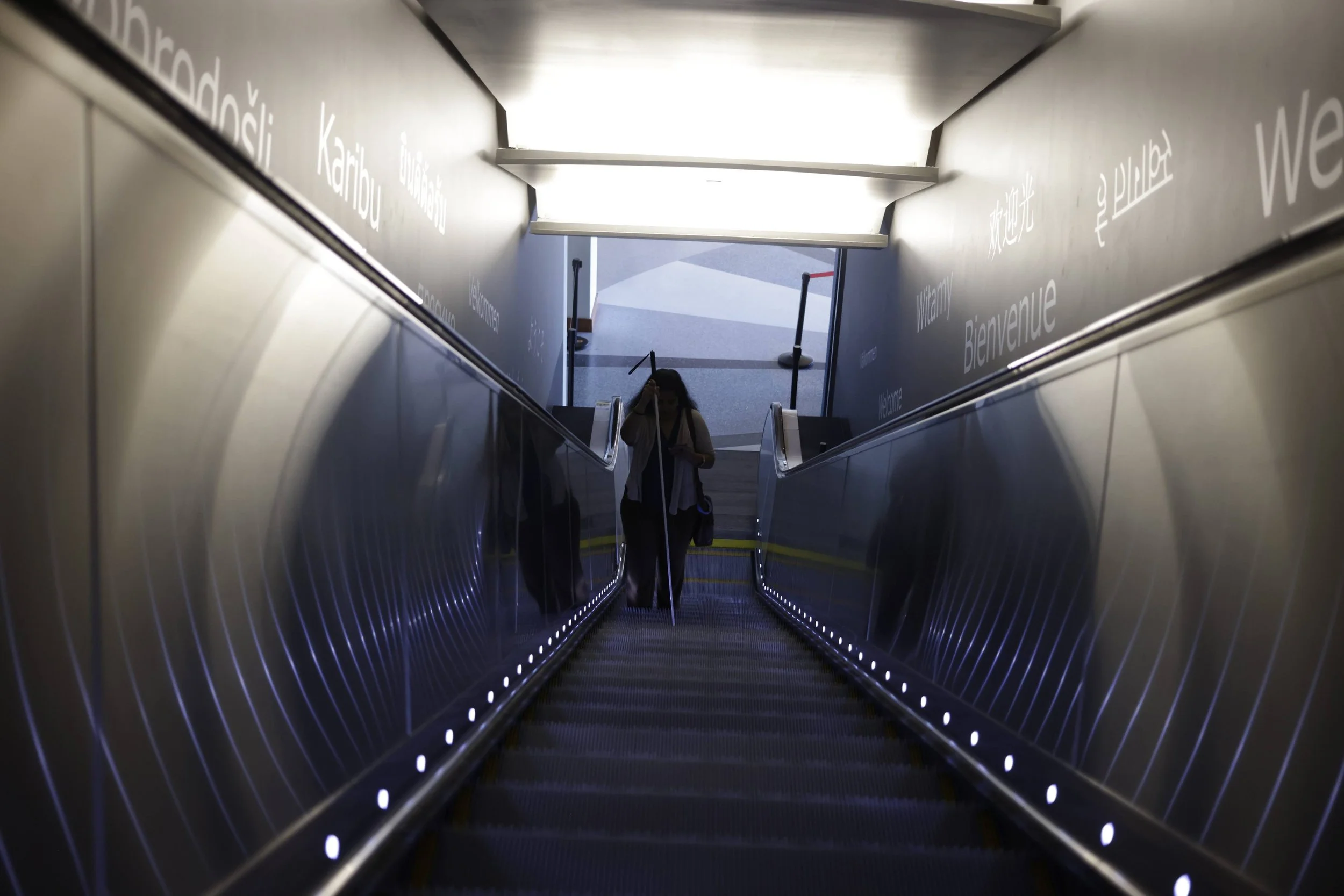
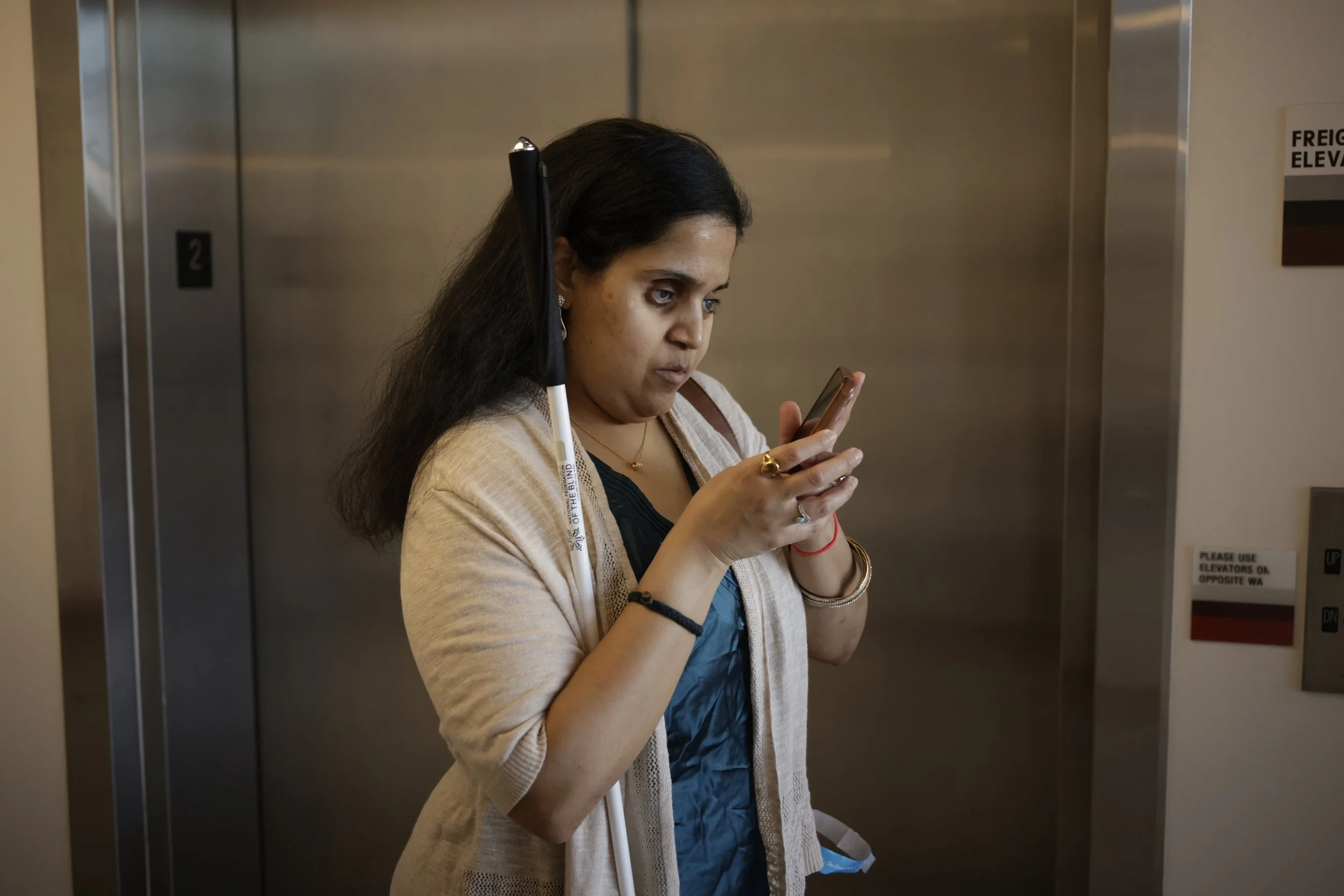
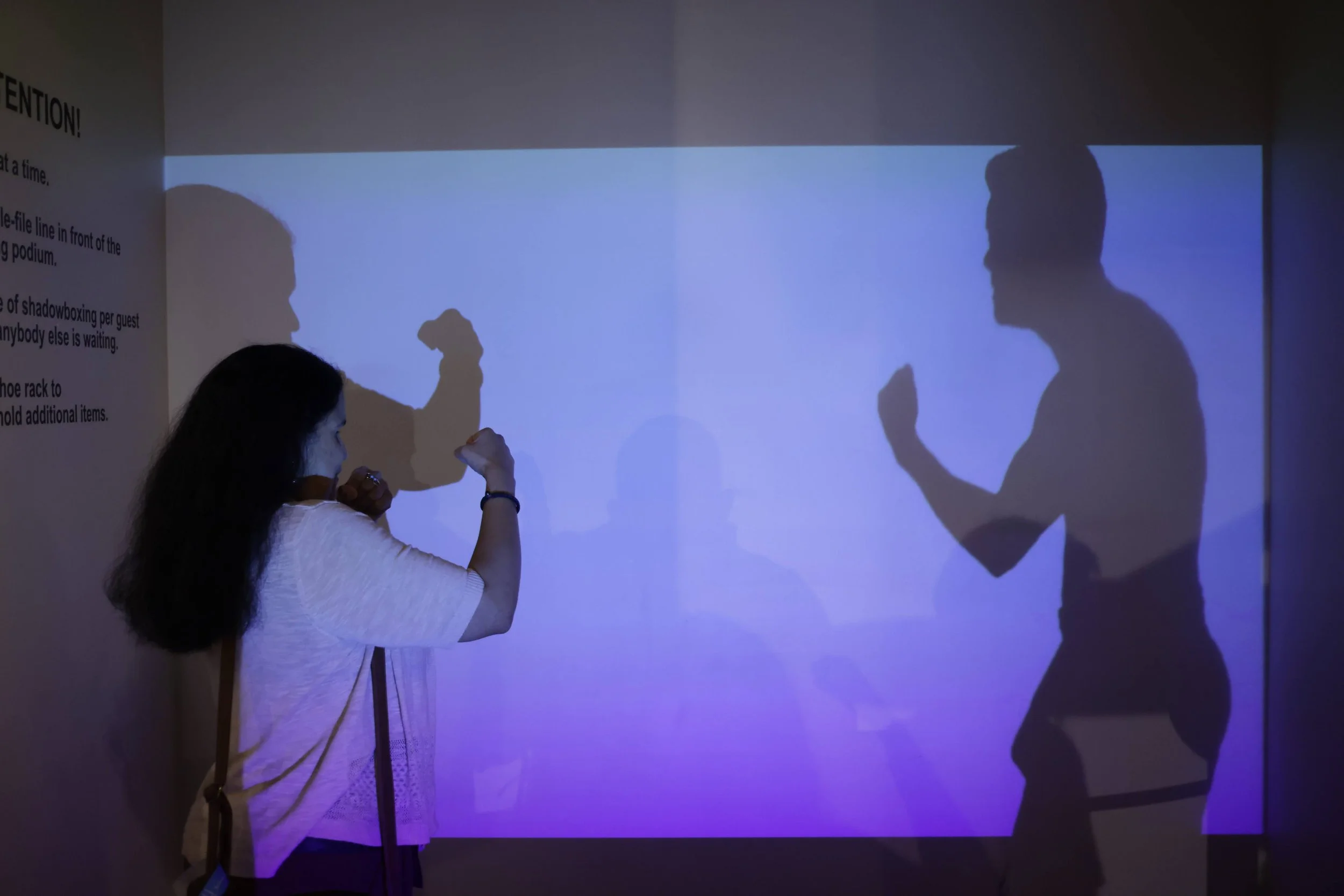
"When a technology like GoodMaps works the way it should," she says, "it gives me more than just directions. It gives me confidence. I don't have to stop and ask for help or constantly wonder if I'm going the right way. I can make choices in the moment and move through a space at my own pace." And that's what independence has come to mean for her. Not doing everything alone. Not proving anything to anyone.
But being able to move through the world on her own terms. Without having to ask. Without having to wait. Without having to wonder.
"Independence to me means being on my own time," she says. "Feeling free… like a bird."
She wants people to understand something: she lives in a world designed primarily for sighted people…but she is fully part of that world. Not in spite of who she is, but as exactly who she is.
"We are capable, we are active, and we contribute every day. We're not just navigating these spaces. We're working to make them better and more inclusive for everyone."
With tools like GoodMaps, she says, she feels more willing than ever to go beyond what's familiar. To show up somewhere new without the weight of everything that used to make that hard.
"It's opening doors and building my independence in a way that wasn't possible before."
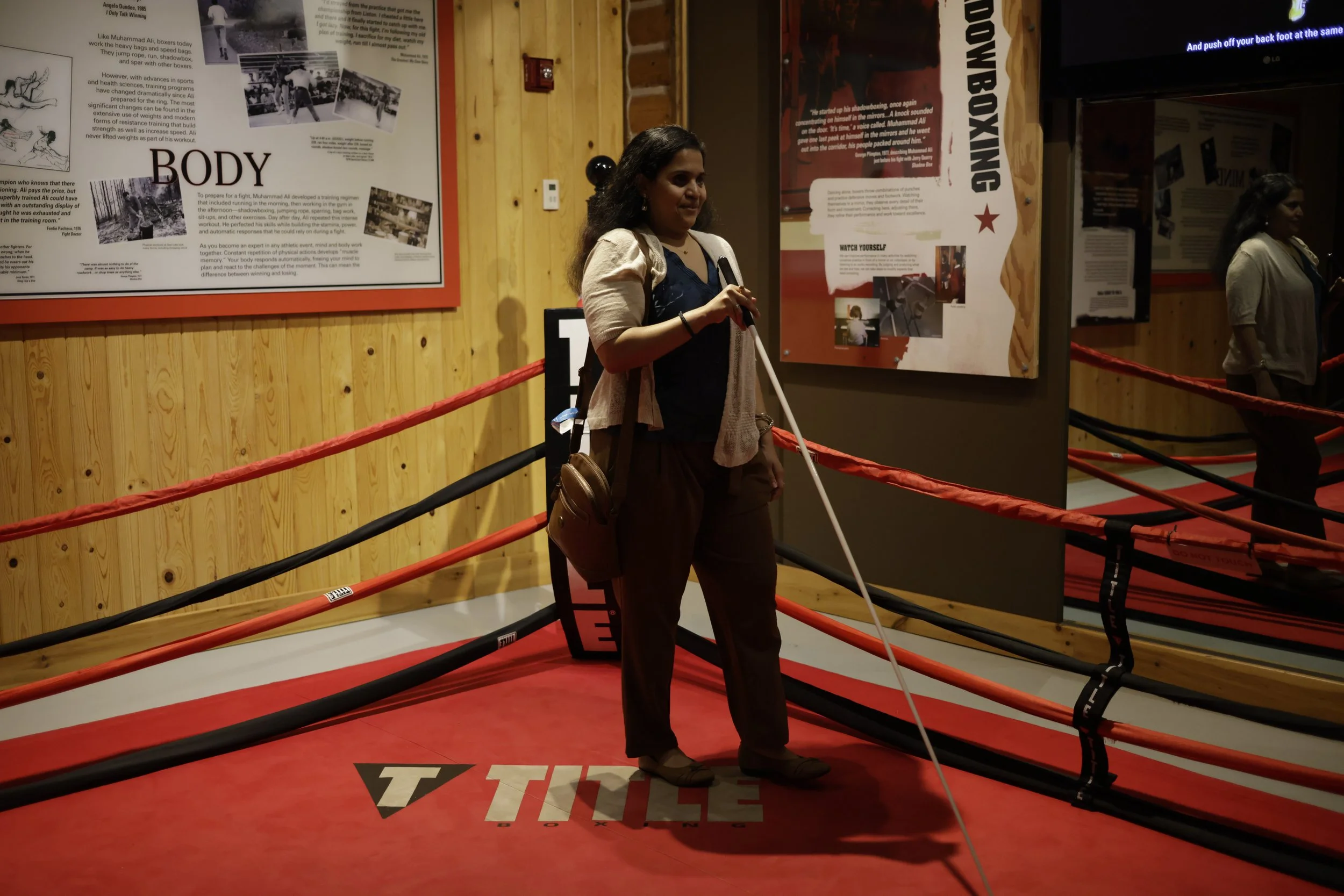
Photos by Luke Sharrett
Keep Exploring
Community flourishes when capital, people, and institutions move together.
Explore more on this topic — recommended episodes, posts, portfolio companies, and resources below:
More Than Profit podcast episodes


other blog posts

resources for download


We're proud to welcome Dr. Amy Orr-Ewing, one of the most respected apologists in the English-speaking world as a Senior Fellow at Access Ventures. In her essay, she argues that the renaissance of belief now stirring in boardrooms, parliaments, and centers of tech innovation is inseparable from the work of human flourishing we care about.