
The Humanity Of Homelessness: Seeing People, Not Problems
Homelessness is too often reduced to statistics, symptoms, or stereotypes. But behind every number is a person, perhaps a neighbor, a parent or a child whose dignity cannot be measured in data alone. At Access Ventures, we believe that homelessness is not simply about the absence of housing. It is about the absence of belonging, opportunity, and security. When people are unseen and unsupported, they cannot flourish.

We define flourishing through three essential dimensions: access & agency, opportunity & autonomy, and security & freedom. These are not abstract ideals; they are the building blocks of stability and dignity. Homelessness is the erosion of these foundations — and restoring them requires more than shelter. It requires community, trust, and investment in people.
The Reality Today
The scale of homelessness in the United States has reached historic levels. On a single night in 2023, more than 650,000 people were experiencing homelessness which is the highest number ever recorded. Families with children, veterans, and young adults aging out of foster care are disproportionately represented in this crisis. At the same time, millions more live on the edge, spending the majority of their income on housing while one emergency such as a medical bill, job loss, or natural disaster, could push them into instability.

Here in Louisville, the picture is equally urgent. In 2016, there were 14 evictions every day which was nearly double the national average. While progress has been made, Louisville continues to face one of the highest eviction rates in the country. This is not simply a housing issue; it is a systemic challenge that touches employment, healthcare, education, and criminal justice.
It is also a human challenge, demanding that we see people not as problems to be solved, but as neighbors to be known.
The Humanity in the Numbers
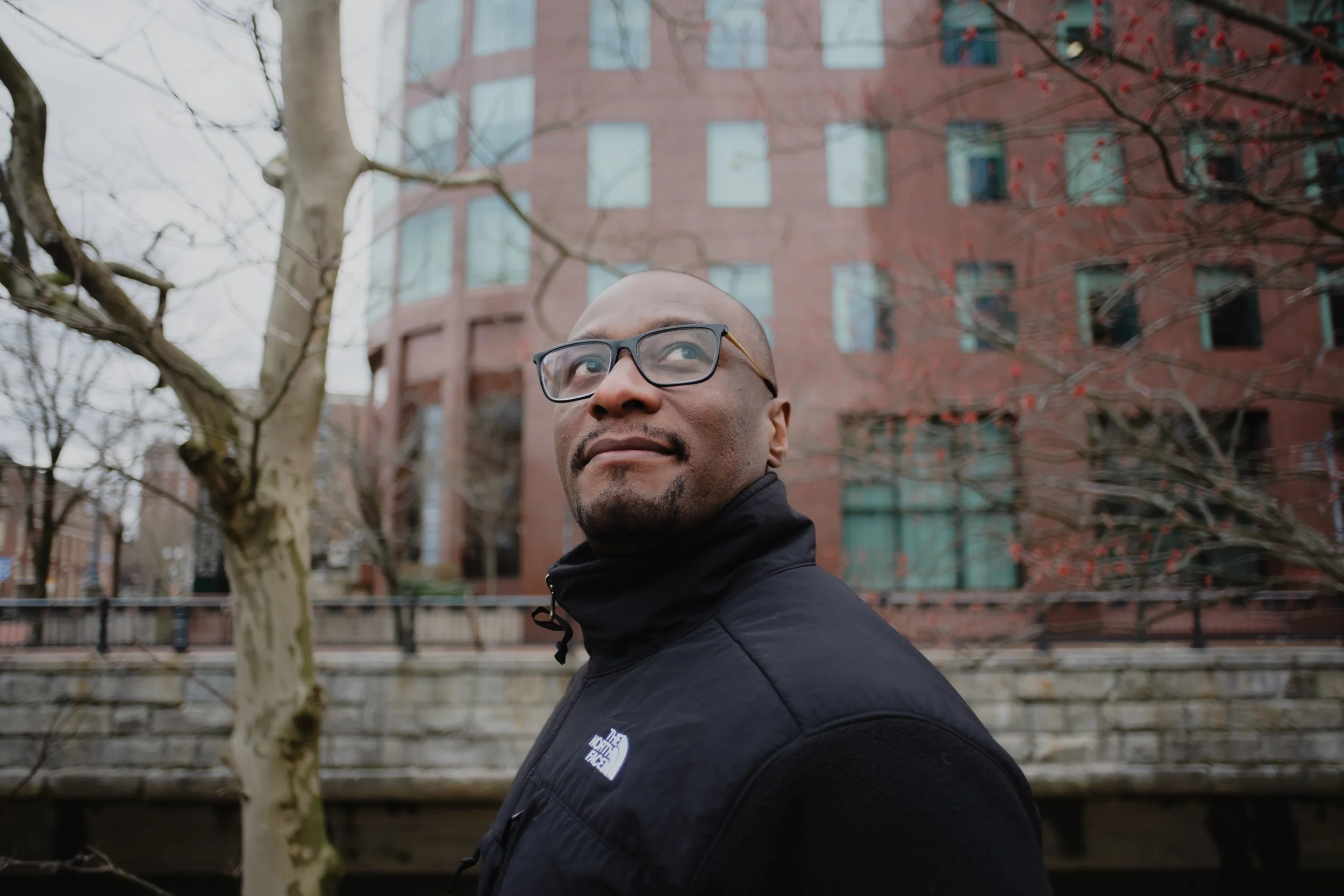
Statistics help us understand the scale of the issue, but stories remind us why it matters. Consider Trenton, a father in Louisville whose home was destroyed by fire. Suddenly unhoused, Trenton faced not only material loss but the uncertainty of caring for his autistic son. Despite immense challenges, his spirit of hope and perseverance never wavered. Through the support of Volunteers of America and the Samaritan platform, Trenton received encouragement, financial gifts, and the community he needed. That support helped him find stable housing, save for the future, and build a new foundation for his family.

Trenton’s story is a reminder that people experiencing homelessness are not defined by their circumstances. They are defined by their humanity, by their dreams, resilience, and potential. At Access Ventures, our stories of impact series underscores this truth: people are not projects. Every story we tell is a call to recognize the inherent dignity of each person.
Innovation and Systemic Change
Addressing homelessness requires more than short-term relief; it requires innovation that tackles root causes.
Samaritan Pilot in Louisville
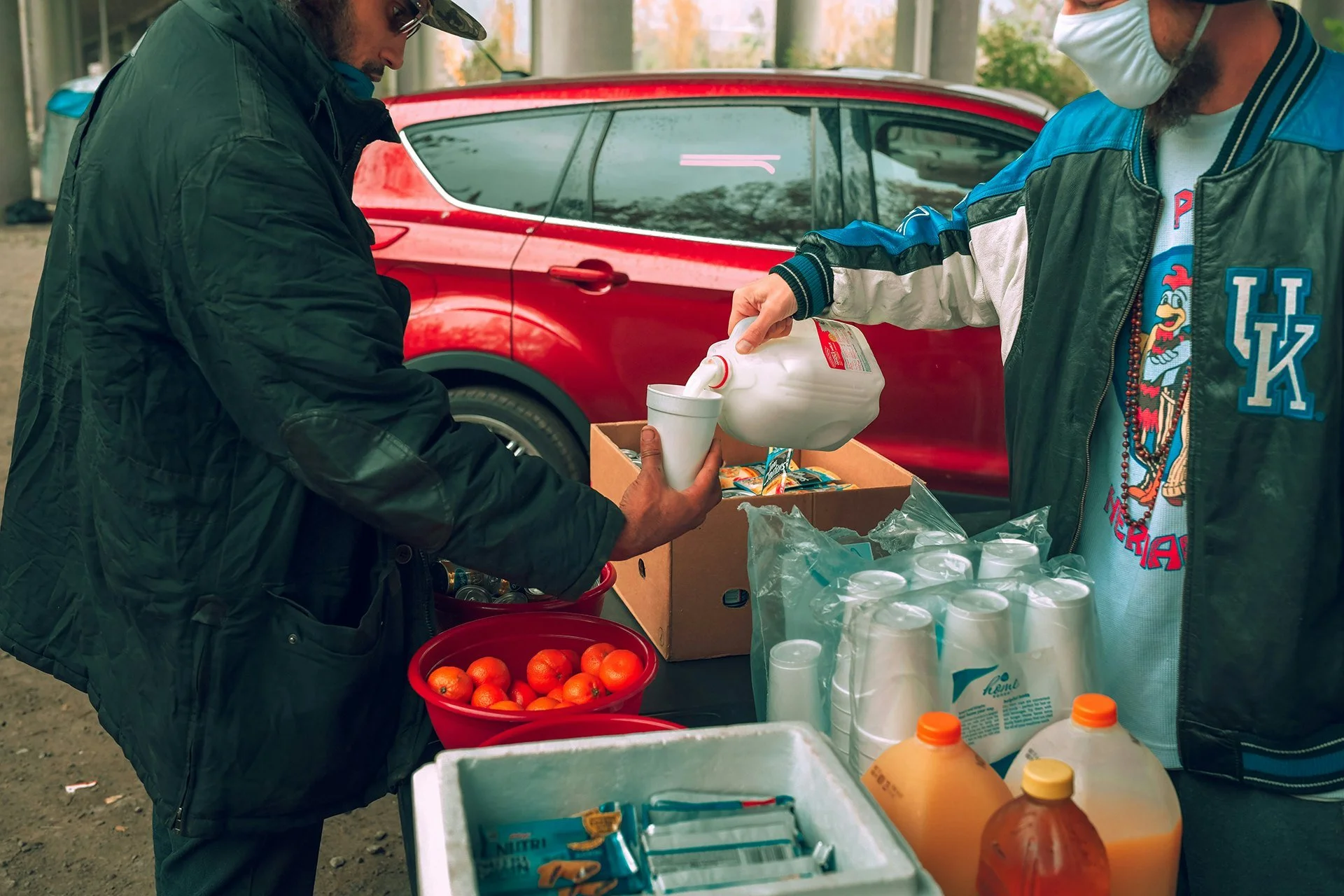
In 2023, we piloted Samaritan, a platform that empowers people without stable housing to set goals and receive direct community support. Over the course of the pilot, 111 members received $56,000 in critical needs such as groceries, transportation, and medical care. The success of this initiative has drawn follow-on support, with Samaritan now scaling alongside Aetna Kentucky and Humana Kentucky in 2024. This is a model of how community, technology, and compassion can converge to restore agency and opportunity.
Reconstruct Challenge
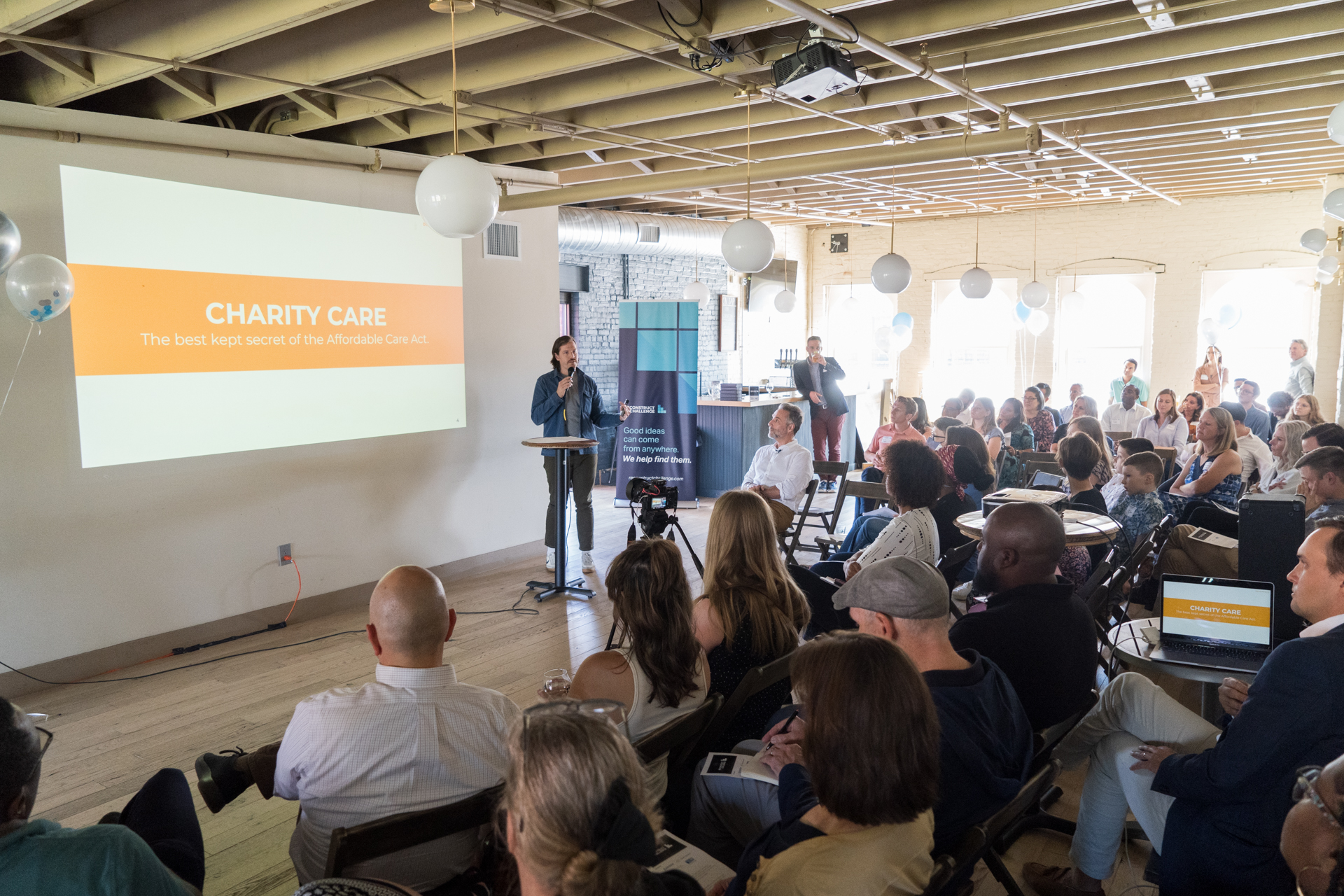
Through the Reconstruct Challenge, we applied venture philanthropy to test bold solutions to systemic challenges, including housing insecurity. By providing catalytic, risk-tolerant capital, we enabled innovators to address barriers traditional funders often overlook. This approach not only surfaces new models but also proves that enduring solutions are possible when we invest in people and ideas with courage.
Know Homelessness Campaign
A few years ago, we launched the Know Homelessness campaign to elevate the conversation around homelessness in Louisville. The campaign shifted the narrative away from stigma and toward understanding by amplifying the voices of people with lived experience. It helped our community see homelessness through the lens of humanity, not judgment.




Why This Matters to All of Us
Homelessness is not someone else’s problem. It is a reflection of how our communities allocate resources, extend compassion, and create opportunity. When one person is excluded from stability, we all lose. Economies become less resilient, neighborhoods less stable, and futures less secure.
It is important to recognize that homelessness is not monolithic. Some individuals experience chronic homelessness due to a complex mix of health challenges, trauma, addiction, or other systemic barriers. For these neighbors, solutions are long-term, layered, and often require deep and ongoing care. But for many others — families on the edge of eviction, youth aging out of foster care, or individuals displaced by sudden crises — homelessness is not inevitable. With timely support, creative solutions, and compassionate communities, cycles of instability can be broken.
A Call to Action
The humanity of homelessness demands more than awareness, it demands action. Here are two ways you can join us:
For Partners → Explore the Reconstruct Challenge Playbook to see how risk-tolerant philanthropy is transforming systemic challenges. Join us in creating new pathways to stability and flourishing.
For Community Members → Share stories and conversations that elevate the humanity of homelessness. Help change the way our community understands and responds to it.
Homelessness is not inevitable for everyone. For many, it is the result of systems we can change, choices we can make differently, and communities we can reimagine together. And while some neighbors face chronic challenges that require enduring care, we cannot let that overshadow the countless opportunities to prevent instability before it begins.
The question is not whether we can afford to act, it is whether we can afford not to. Because behind every statistic is a human being, and every human being deserves the chance to flourish.
(Originally posted June 2018, updated December 2025)